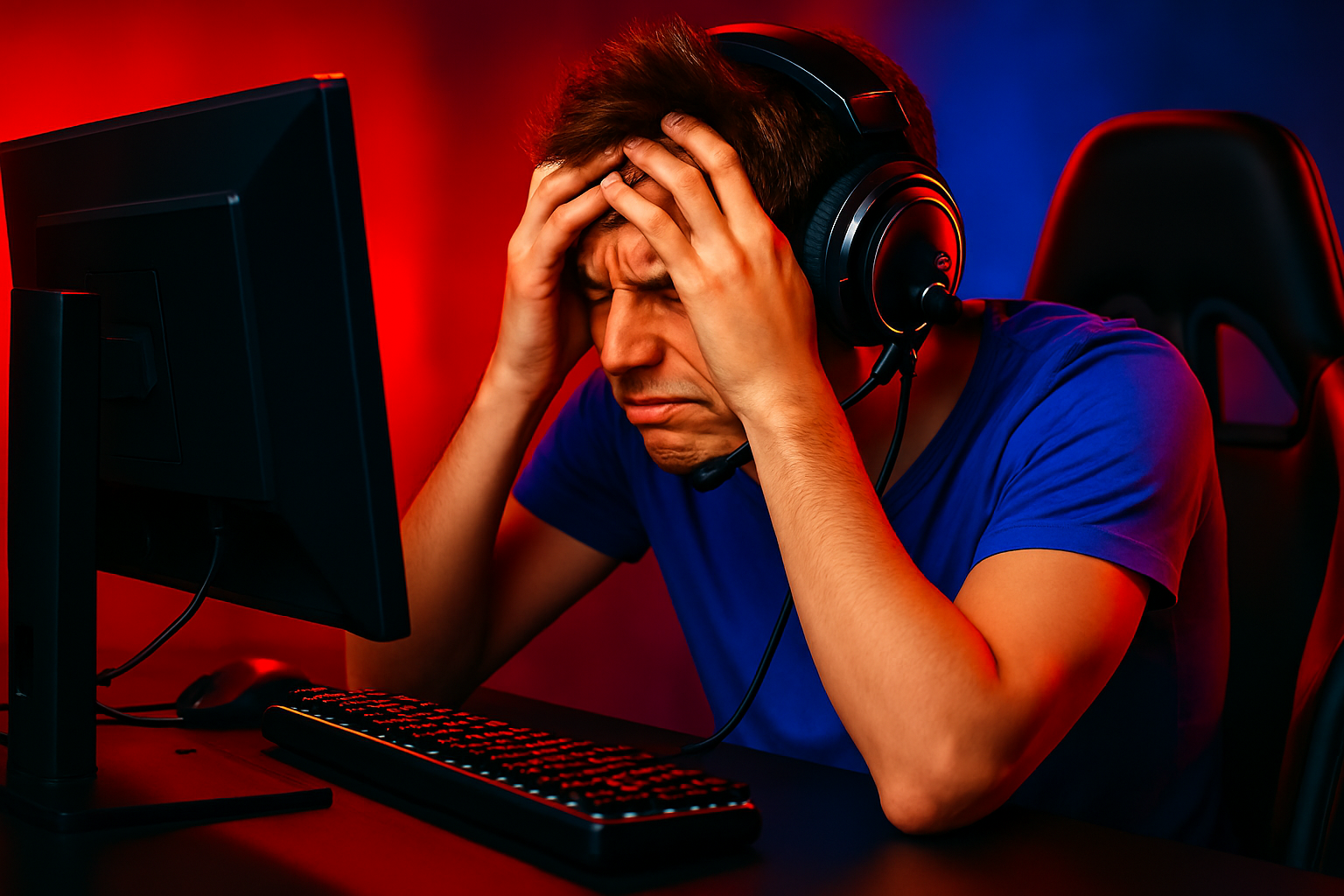
“Is it just a game?”
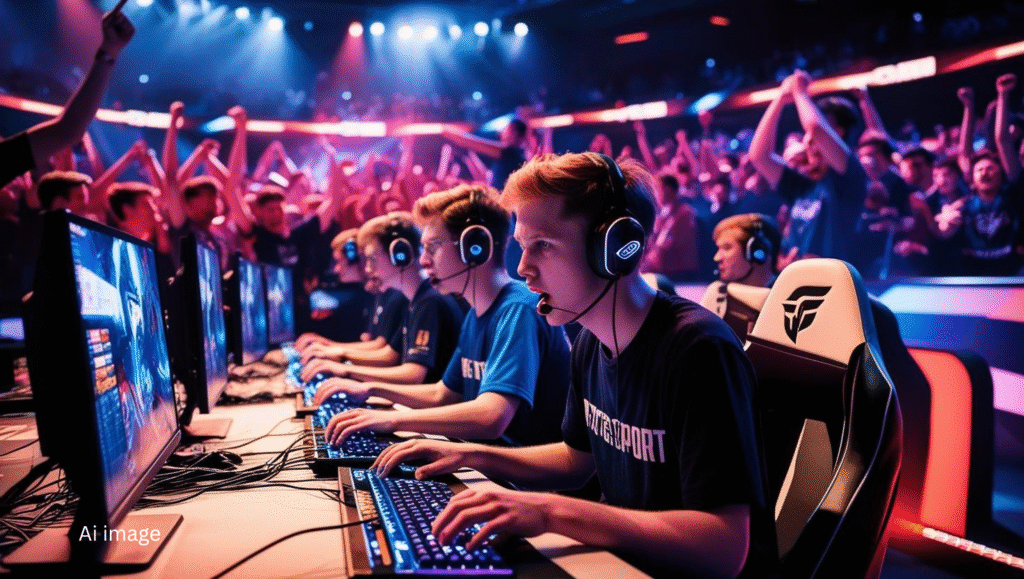
That’s the question 17-year-old Ali was asked by his parents when they found him playing Valorant at 3 a.m. again. But for Ali—and thousands of esports players like him—it’s not just a game. It’s a career, a passion, and a battlefield of challenges that most outsiders don’t see.
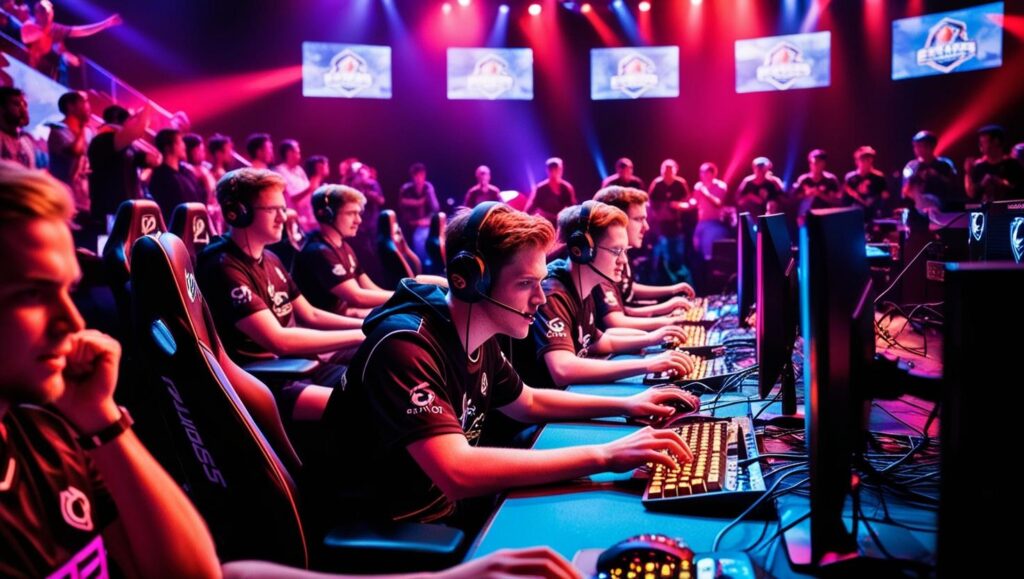
Welcome to the world of esports, where the stakes are high, the competition fierce, and the pressure relentless. Behind the flashing screens and roaring crowds lies a reality that’s far more complex than most imagine.
The LAG That Kills Dreams
Let’s start with something every gamer dreads: lag. Imagine you’re in the final round of a tournament, your team is counting on you, and just as you’re about to make the winning move—your screen freezes. That split-second delay caused by poor internet or server issues can cost players thousands of dollars, sponsorships, and even their reputation.
For professional esports players, lag isn’t just annoying—it’s a career hazard. Many invest in high-end gear and premium internet plans, but even then, technical glitches can strike at the worst moments.
Foul Language & Toxicity
Esports matches are intense. But with intensity often comes toxicity. Players are frequently exposed to foul language, insults, and even threats during matches—especially in online ranked games. While some develop thick skin, others internalize the negativity, which can affect their confidence and mental health.
Toxic environments also discourage newcomers and can lead to burnout. Many teams now hire psychologists or moderators to help manage team dynamics and online interactions.
Mental Health: The Silent Opponent
Esports players face immense psychological pressure. The need to perform consistently, maintain rankings, and meet expectations can lead to anxiety, depression, and burnout. Unlike traditional sports, esports lack structured mental health support in many regions.
Players often isolate themselves to practice for hours, sacrificing sleep and social interaction. Over time, this isolation can lead to emotional instability and loneliness.
Eyes on the Prize—But at What Cost?
Staring at screens for 8–12 hours a day takes a toll. Eye strain, dry eyes, and blurred vision are common among esports athletes. Some report headaches and difficulty focusing on real-world tasks after long gaming sessions.
Blue light glasses and screen breaks help, but the damage accumulates. Long-term exposure can even lead to deteriorating eyesight, especially in younger players who start training early.
Parents: The First Boss Level
Many esports players face parental restrictions. In cultures where academic success is prioritized, gaming is often seen as a distraction or waste of time. Players hide their practice schedules, sneak in matches late at night, and struggle to convince their families that esports is a legitimate career.
This lack of support can be emotionally draining. Some players give up their dreams entirely due to family pressure, while others push forward in secrecy, adding another layer of stress.
Muscle Fatigue & Physical Strain
Esports may not involve running or jumping, but it’s physically demanding. Long hours of sitting and repetitive hand movements lead to wrist pain, backaches, and even carpal tunnel syndrome. Without proper posture and regular exercise, players risk long-term damage to their bodies.
Some teams now include physiotherapists and fitness routines in their training programs, but many solo players lack access to such resources.
Addiction & Obsession
There’s a fine line between dedication and addiction. Esports players often become obsessed with improving their skills, climbing ranks, and staying ahead of the competition. This obsession can lead to unhealthy habits—skipping meals, avoiding sleep, and neglecting relationships.
Game addiction also affects emotional regulation. Players may become irritable, impulsive, or overly competitive, even outside the gaming world.
Studies & Social Life: The Forgotten Realms
Balancing esports with education and social activities is a major challenge. Players often skip classes, miss assignments, or drop out entirely to focus on gaming. While some succeed, many struggle to return to academics if their esports career doesn’t pan out.
Social life also takes a hit. Friends drift away, relationships suffer, and players find themselves disconnected from the world beyond their screens.
Behavioral Shifts & Personality Changes
Constant exposure to competitive environments, toxic chats, and high-pressure situations can lead to behavioral changes. Players may become more aggressive, impatient, or emotionally volatile. Some develop a superiority complex, while others withdraw completely.
These shifts affect not just the player, but their families, friends, and teammates. Recognizing and addressing these changes early is crucial for long-term well-being.
So, What’s the Solution?
Esports is here to stay—and it’s growing fast. But to ensure players thrive, not just survive, we need:
- Mental health support: Regular counseling and emotional check-ins.
- Parental education: Helping families understand the esports ecosystem.
- Physical wellness programs: Including posture training, exercise, and breaks.
- Academic flexibility: Schools and colleges offering hybrid models for esports athletes.
- Community building: Safe spaces for players to connect, share, and grow.
Ali’s story isn’t unique. It’s the story of thousands chasing their dreams in a digital arena filled with both glory and grit. So next time someone says, “It’s just a game,” maybe ask them to play a round under pressure, with lag, a sore wrist, and a crowd watching.
They might just change their mind.
For more Reads:
Why PUBG Mobile, Free Fire & COD Mobile Were Banned in These Countries? – Esports Planet
Top 5 Online Games Boys Love in 2025 – Fortnite, PUBG & More – Esports Planet