Tag: Esports

  • Fortnite’s Donut Storm is the Most Fun Part of Chapter 6

    Fortnite’s Donut Storm is the Most Fun Part of Chapter 6

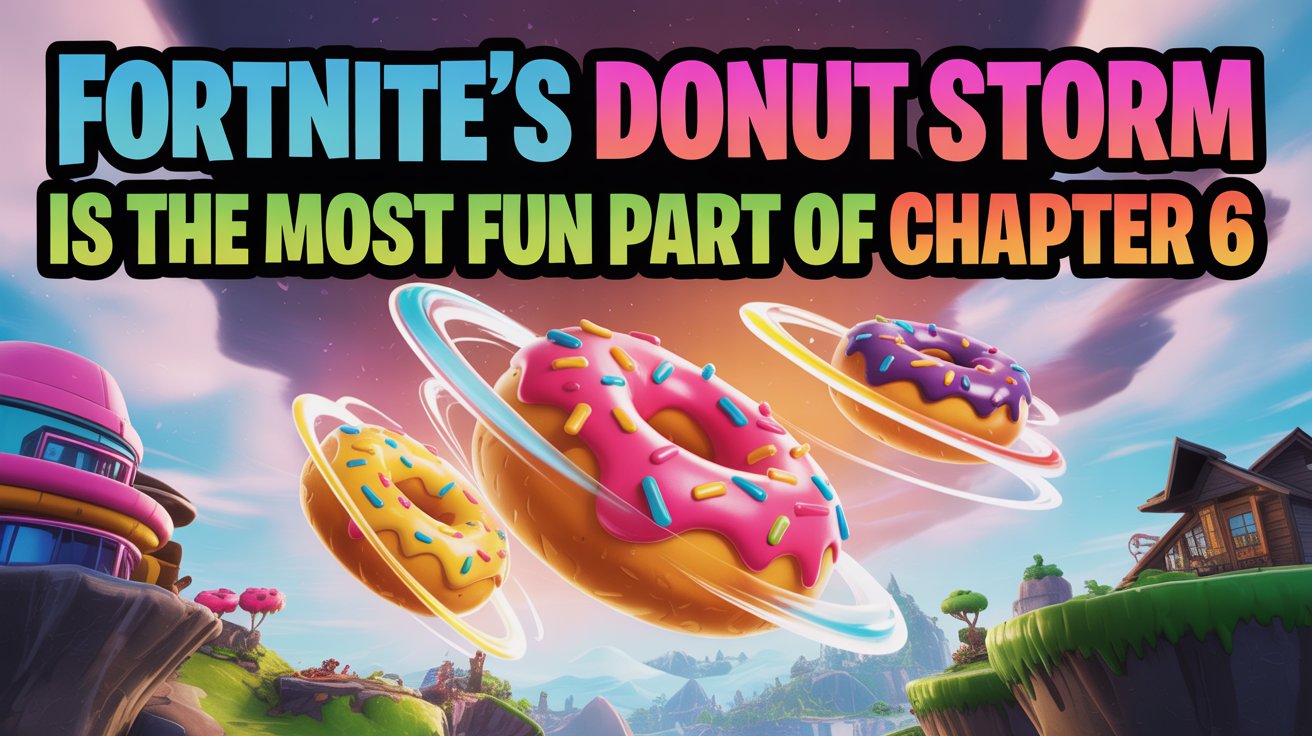
    When the donut storm begins in Fortnite’s Simpsons update, it looks striking, donuts raining from the sky is an incredible view. But the moment you’re inside it, devastation strikes. No rooftop. No staircases. Not even vehicles can protect you from the giant donuts crashing down. Your only hope? Choose a fast skin and run for survival.

    Let’s Find out more about it.

    • Map is Smaller.
    • You have to survive donut storm for 30 seconds.
    • Moe has also appeared.
    • Sidekicks are expensive.

    This Short Fortnite Simpsons Season Available Until November 29

    Fortnite Chapter 6’s Simpsons mini‑season will only last until November 29, 2025. Isn’t it too soon to say goodbye to such an epic experience? Anyhow, enjoy it while you can — because to your surprise, the Simpsons update is so loved worldwide that over 2.6 million players jumped in at the same time.

    The map is Smaller

    The classic Fortnite map hosts 100 players, but the Simpsons update drops that number to 80. Encounters come early, constant, and relentless — the battle is tough from the start. Inside the donut storm, you must survive for 30 seconds while fighting enemies, eliminating threats, and collecting powerful weapons to complete your quests.

    Donut Storm Experience in Fortnite Is Incredible

    During the game, an astonishing event occurs. Strange purple clouds gather, a storm eye appears, and giant, colorful donuts rain down from the sky, turning all of Springfield into chaos. Loot is everywhere, with chests packed full of items, and yes, you can even smash the falling donuts with your axe. To everyone’s surprise, the Fortnite Chapter 6 Simpsons donut storm is as fascinating to watch as it is devastating to survive.

    Moe’s is here

    Krusty the Clown

    Krusty the Clown has officially joined Fortnite’s Simpsons update as both a skin and a boss encounter, bringing his chaotic personality into the battle royale.

    Players can purchase his skin in the Item Shop, complete with themed cosmetics, but the real excitement comes when facing him on Springfield Island as a roaming boss. Krusty packs the exotic revolver ‘Mr. Blasty,’ a gun that blasts enemies upward and makes them easy to finish off.

    Defeating him not only delivers this powerful loot but also turns his negativity into gameplay fun, reflecting why fans love Krusty’s flawed character. His inclusion adds nostalgia, humor, and challenge, making him one of the standout highlights of the Fortnite Chapter 6 Simpsons mini‑season.

    Lovely Sidekicks

    I really enjoy Fortnite’s collaboration with The Simpsons, and one of its best features is the sidekicks. The developers have done a fine job bringing them to life — from Little Raptor and Bonsey to Cuddle Team Jr., Doggo Jr., Spike, Flopstick, and Peely Dog. Players especially love Raptor, Bonsey, and Peely Dog, though many have raised concerns about the high prices and limited customization options. Still, these sidekicks add charm and personality to the game.

    Conclusion

    No matter what, people are admiring Fortnite’s Simpsons collaboration. Talking, purchasing, and even complaining — it’s all happening across the community. One thing is certain: Fortnite has succeeded in capturing global attention, even for this short Chapter 6 mini season.

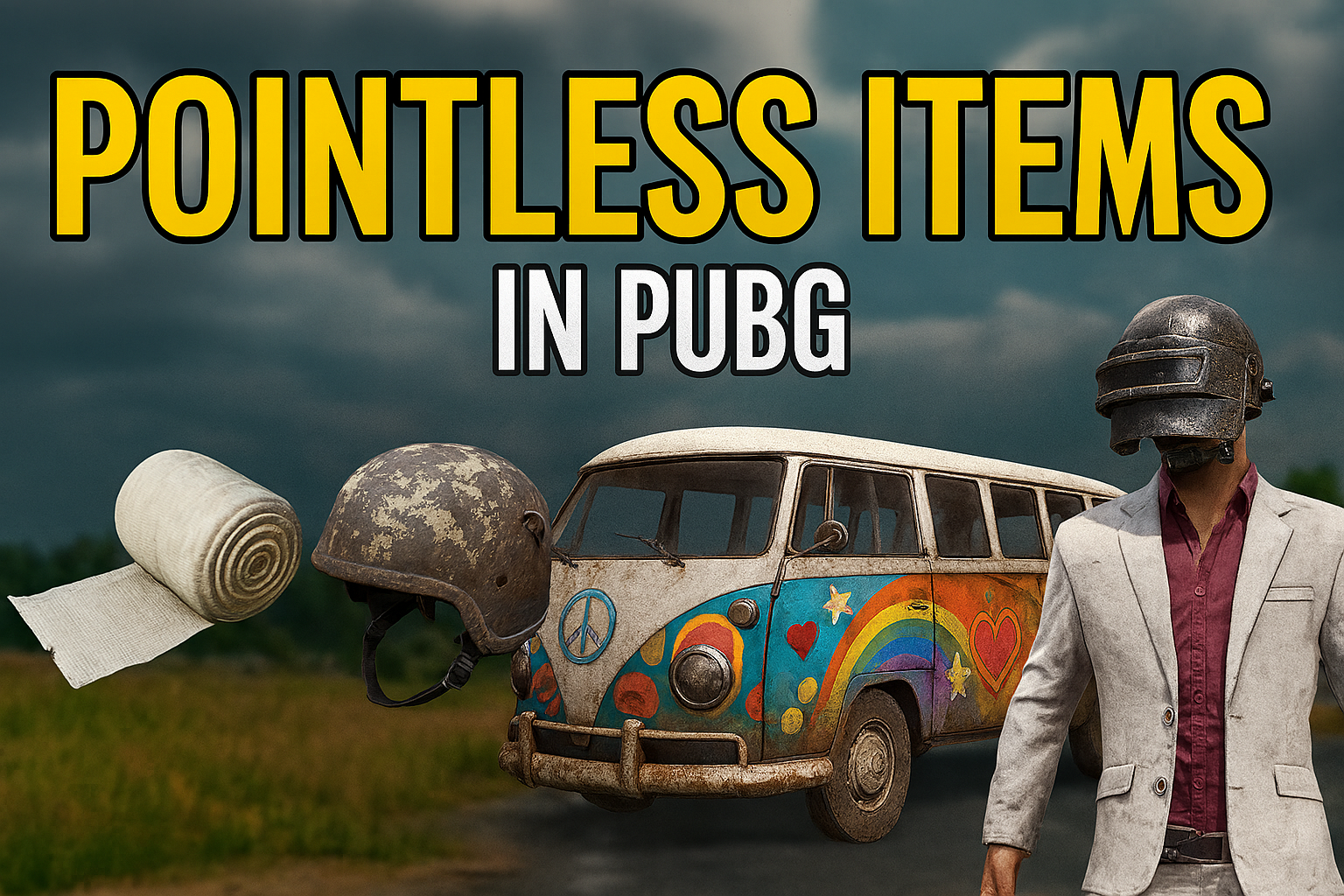
  • 5 POINTLESS & Unnecessary items in PUBG (you will agree)

    5 POINTLESS & Unnecessary items in PUBG (you will agree)

    In PUBG, not every item is useful. Some look helpful but end up slowing you down or taking up space. This list highlights the items players often regret picking up—and why they might be better off without them.

    1. Bandages

    In many competitive games, bandages are the go-to remedy for minor injuries—scratches, falls, or quick skirmishes. They’re easy to use, widely available, and often the first aid option players reach for. But let’s be honest: in high-mobility scenarios where you’re constantly sprinting, dodging, or rotating across the map, bandages feel like dead weight.

    The Problem with Bandages in Fast Gameplay

    • Slow Recovery: Bandages offer minimal healing over time, which doesn’t match the pace of modern combat.
    • Zero Utility While Moving: If you’re constantly on the run, their effectiveness drops to zero. You can’t heal and move efficiently.
    • Inventory Clutter: They often take up space without delivering meaningful value in clutch moments.

    Is It Time for Smarter Healing in PUBG?

    Bandages feel outdated—slow, clunky, and nearly useless when you’re on the move. In today’s fast-paced matches, healing needs to be quick, responsive, and tactical.

    Imagine:

    • Auto-injectors that heal while you run
    • Tiered medkits that focus on critical wounds
    • Cooldown-based healing pulses that boost team synergy

    Bandages had their moment in slower gameplay. But now, the meta demands agility and smarter resource management. It’s time for healing mechanics that adapt, react, and elevate the fight.

    2. Used Helmets & Vests

    Are Worn-Out Armors Worth It? Rethinking Durability in High-Stakes Combat

    In the heat of battle, every second—and every scrap of protection—counts. But let’s face it: used armors and low-durability helmets often feel like false hope. They offer a fleeting shield, a whisper of defense, before shattering under pressure.

    The Harsh Truth About Low-Durability Gear

    • Minimal Protection: Once an armor’s durability drops, its effectiveness plummets. It barely absorbs damage, making it more symbolic than strategic.
    • Short-Term Lifeline: Helmets might save you from a single headshot, but they rarely survive the next.
    • Inventory Drag: Carrying worn gear adds weight without real value—especially in long rotations or endgame zones.

    Time for a Smarter Armor System?

    What if instead of clinging to broken gear, players could:

    • Salvage parts to reinforce better armor?
    • Fuse multiple damaged pieces into a single, more durable unit?
    • Deploy temporary energy shields that scale with movement or zone pressure?

    These changes wouldn’t just look cool—they’d make gameplay smarter and more strategic.

    Something is better than Nothing… But Not for Long

    Yes, a cracked helmet is better than no helmet. But in a game where milliseconds decide survival, false security can be fatal. It’s time to evolve beyond “better than nothing” and introduce gear that adapts, endures, and empowers.

    3. Quickdraw Magazine

    Why Quickdraw Mags Often Get Ignored in PUBG

    Some players even argue that if an Extended Mag isn’t available, it’s better to skip the attachment slot entirely than settle for a Quickdraw. It’s a harsh take, but it reflects how competitive the meta has become. In a game where milliseconds matter, capacity often beats speed.

    4. Hippie Van

    In PUBG, mobility can mean survival. Whether you’re rotating to the next zone or fleeing a firefight, your vehicle choice matters. And while the hippie van might look fun and nostalgic, it’s often seen as a liability on the battlefield.

    Why Players Avoid the Hippie Van

    • Too slow to escape: Its low speed makes it hard to outrun danger or reposition quickly.
    • Huge target: Its bulky frame is easy to spot and even easier to hit.
    • Poor handling: Navigating tight terrain or dodging enemy fire feels clumsy and risky.
    • No stealth factor: Its colorful design and loud engine grab attention—exactly what you don’t want in a survival game.

    Better Alternatives Exist

    Most players prefer:

    • Dacia for speed and control
    • Motorbikes for quick escapes
    • Pickup trucks for balance between cover and mobility

    These vehicles offer better performance without turning you into a rolling billboard.

    Cool looks aren’t enough

    The hippie van might be fun to look at, but in PUBG’s high-stakes combat, it’s more of a trap than a tool. It’s slow, loud, and hard to defend. Unless you’re roleplaying or trolling, most players agree: choose survival over style.

    5. Cosmetic Clothes

    In the battlegrounds of PUBG, helmets and vests are more than fashion—they’re survival. They absorb bullets, deflect headshots, and often decide whether you live to see the next circle. But what about the rest of your wardrobe? The trench coats, ghillie suits, neon tracksuits, and branded collabs—do they serve a purpose beyond the mirror?

    The Truth About Cosmetic Clothing

    • No gameplay advantage: Unlike armor, cosmetic outfits offer zero protection or stat boosts.
    • Visual clutter: Over-looting clothes can make your character bulkier or more visible—especially in stealth zones.
    • Inventory illusion: While they don’t weigh you down mechanically, they can clutter your visual identity and distract from tactical focus.

    Just a Show-Off?

    Some players argue that excessive cosmetics are just vanity loot—a way to flex skins, not skill. And in a game where every second counts, flashy outfits can feel like a liability, not a legacy. so why carry dead weight? Leave the fashion, keep the firepower.

    For More Read:

  • Most Wanted Skins in Fortnite—Even the Ugly Ones

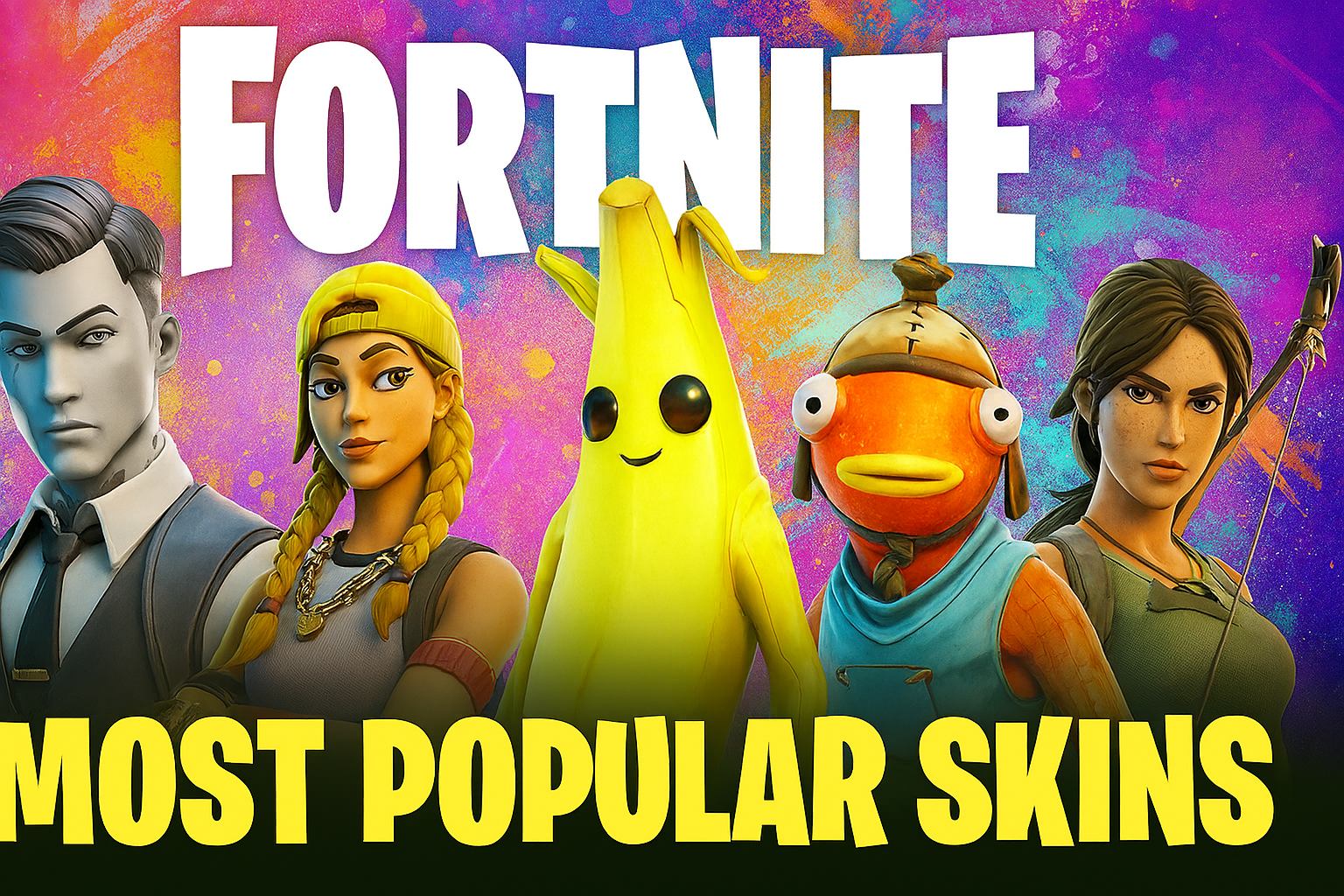
    Most Wanted Skins in Fortnite—Even the Ugly Ones

    “Lara, stop! Now move forward—yes, yes, shoot! No, wait—hide behind the wall!”

    “Son, what’s going on? Why are you shouting? And who’s Lara?”
    “Nothing, Ammi. She’s a game character. I’m just playing Fortnite and giving instructions to my in-game player.”

    If you’ve ever heard these lines echoing through your home, you’re not alone. Welcome to the world of online gaming, where players shout commands to characters like Lara Croft. But who are these characters? Can their names and appearances be changed? Let’s dive into the world of Fortnite skins and discover what makes them so popular.


    What Is an In-Game Player?

    An in-game player is the character inside the video game who follows the instructions of the real-life player. In the early days of gaming, there was usually just one default character. But as gaming evolved, so did the ability to customize these characters—giving players the freedom to choose, modify, and even build a unique identity in the gaming universe.


    What Is a Skin?

    In gaming, a “skin” refers to the appearance or outfit of your in-game character. Think of it as a costume that can be changed or upgraded. Some skins are simple—just color swaps—while others are elaborate, featuring animations, light effects, and unique movements. These are purchased using V-Bucks, Fortnite’s in-game currency. Skins don’t affect gameplay directly—they’re purely cosmetic—but they’re a huge part of the game’s visual appeal.


    Why Do Skins Matter?

    🔹 Identity & Style

    Your skin is your signature. It’s how players recognize you. Whether it’s a sleek warrior or a goofy banana, your skin reflects your personality and playstyle.

    🔹 Sense of Achievement

    Rare skins are often earned through challenges or purchased at high cost. Owning one gives players a sense of pride—like winning a trophy or unlocking a badge of honor.

    🔹 Confidence Boost

    Some skins have such bold animations and designs that they make players feel more confident. They stand out, they intimidate, and they energize the player behind the screen.


    Popular Fortnite Skins You Should Know

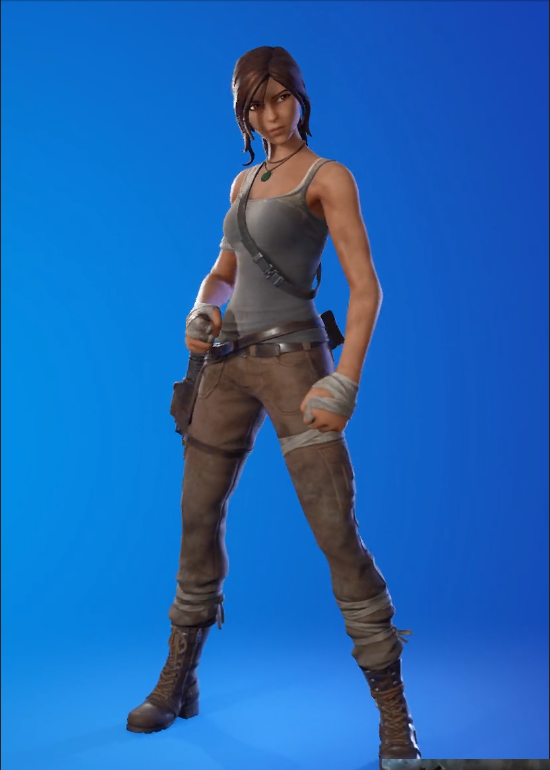
    Lara Croft

    alt="Screenshot of Lara Croft skin in Fortnite, Chapter 2 Season 6"

    Braided hair, a quiver on her back, and unmatched agility—Lara Croft is a fan-favorite adventurer. Introduced in Chapter 2, Season 6 (March 2021), she’s known for solving mysteries and dominating close combat. Her full skin set costs 2,200 V-Bucks, while the standalone version is 1,500. It includes outfit variations, glasses, a backpack, a spinning pickaxe, a blue-and-white rifle, and a jeep with dual tire options. Unlockable at Level 15.

    Fun Fact: Lara Croft originated in the 1996 Tomb Raider franchise and has starred in multiple films and games. Her legacy earned her a spot in Fortnite.

    With 69,544 players adding Lara Croft to their Fortnite Wishlist, she stands as one of the most sought-after crossover skins—blending nostalgia, action, and iconic style into a fan-favorite legacy.


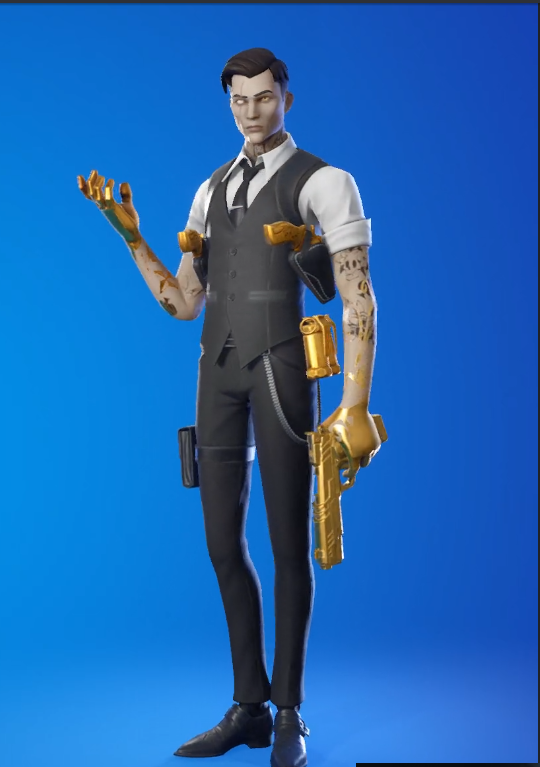
    Midas

    alt="Screenshot of Midas skin in Fortnite, glowing eyes and golden suit from Chapter 2 Season 2"

    When I first saw the Midas skin, it gave me goosebumps. He looked cold, creepy, and powerful—like something out of a scary story.

    Anyhow, this mysterious, dangerous, and cunning—Midas is a golden touch legend. Anything he touches turns to gold, including weapons and vehicles. His glowing eyes give him a ghostly vibe. Loved by fans of fantasy and mystery, Midas is part of the Golden Ghost set (2,500 V-Bucks) and unlocks at Level 100 in Chapter 2, Season 2.

    Why Players Still Love Midas?

    • Golden Touch: He turns weapons and items into gold—visually stunning and instantly iconic.
    • Deep Lore: Midas has a full storyline in Fortnite, from leading The Agency to triggering major events like The Device.
    • Multiple Styles: Players can unlock Ghost, Shadow, and Golden Agent versions, each with a unique vibe.
    • Cool Design: Mafia boss look, glowing eyes, sharp suit, and tattoos—he stands out in every match.
    • Fan Favorite: With over 50,000 players adding him to their Fortnite Wishlist, he remains one of the most desired and legendary skins in the game.

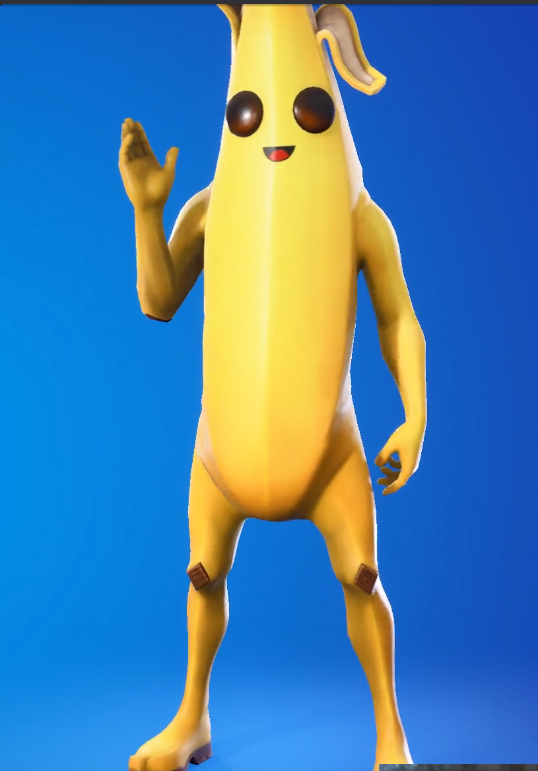
    Peely

    alt="Peely skin in Fortnite—bright yellow banana character with googly eyes, standing in-game during Chapter 1 Season 8"

    A bright yellow banana with googly eyes and human arms—Peely is Fortnite’s most attention-hungry character. He’s known for:

    • Jumping into volcanoes
    • Driving trucks in war zones
    • Volunteering to be kidnapped

    Introduced in Chapter 1, Season 8, Peely unlocks at Level 47. His humor and color-changing ability make him a fan favorite. Variants include Potassius Peels, Agent Peely, and Yellow Peely—but the original remains iconic. Price: 950 V-Bucks.

    As of 2025, over 44,000 players have added Peely to their Fortnite Wishlist, proving that this goofy banana skin remains one of the game’s most loved and iconic characters


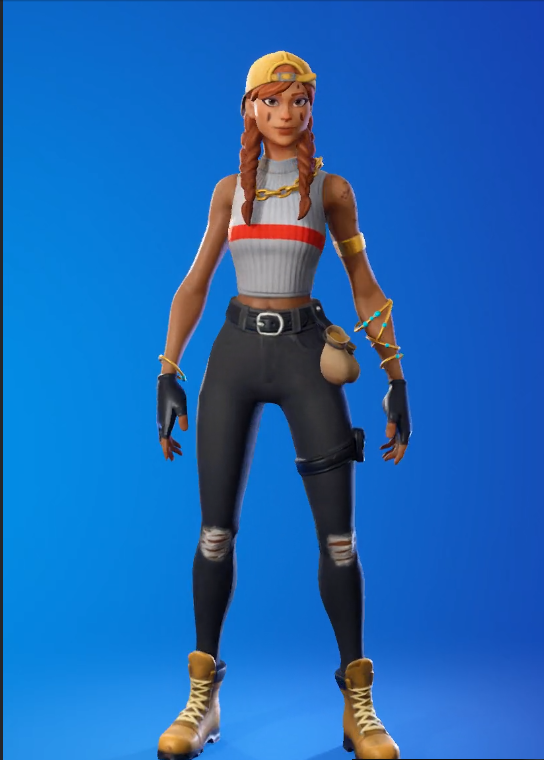
    Aura

    alt="Screenshot of Aura skin in Fortnite—wearing a yellow cap, twin braids, and gold chain, standing in-game from Season 8"

    Wearing a yellow cap, twin braids, and a chunky chain, Aura is always on the hunt for treasure. She’s one of the most-used skins due to her affordability and popularity among pro players. Introduced in Season 8 (2019), she’s part of the Treasure Hunter set and costs just 800 V-Bucks.

    With 41,612 players adding Aura to their Fortnite Wishlist, this stylish treasure-hunter remains one of the most popular uncommon skins—proving that simplicity, attitude, and a clean design still win fans season after season.


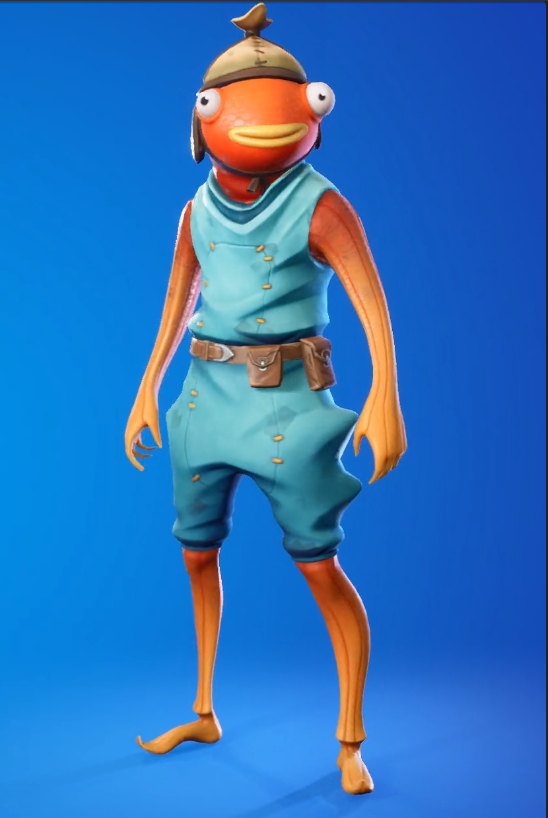
    Fishstick

    alt="Screenshot of Fishstick skin in Fortnite—wide-eyed fish character with orange scales and blue outfit, standing in-game from Season 7"

    A quirky, fish-like humanoid, Fishstick is beloved by kids and adults alike. Available for 1,200 V-Bucks, or as part of the Fish Food bundle for 2,200. First seen in Season 7, this skin is both weird and wonderful. Some players love his goofy look, others enjoy his in-game dialogue. Either way, he’s consistently ranked among Fortnite’s top skins.

    To some players, Fishstick might look bizarre, even downright ugly—but his fame hasn’t faded. So what makes this oddball skin a fan favorite? Let’s dive in.

    Why Ugly Works in Fortnite?

    In Fortnite, “ugly” isn’t a flaw—it’s a feature. Skins like Fishstick break the mold with goofy faces, clumsy animations, and meme-worthy charm. Players love them because they stand out, spark laughs, and flip the idea of what a hero should look like. With over 32,000 wishlists, Fishstick proves that being weird or even ugly can be a bold and popular style.

    Ending Words

    I personally like Aura. Why? Because she feels more human—warm, relatable, and gives off pleasant vibes right from the start. Sure, skins are just part of the gaming surface, but what truly matters is the mind behind the controller. No matter which skin you wear, it’s your strategy, speed, and moves that define how your in-game player performs. So, think smart—and naturally, you’ll look smart. That’s the real flex.

    More to Explore: Fortnite & Esports Stories You’ll Love

  • Esports: A new Rising Career & job opportunity

    Esports: A new Rising Career & job opportunity

    Once just a hobby in college dorms, gaming is now a gateway to global careers and academic success. Dr. Matt Knutson—now a professor and esports program director at the University of North Dakota—once asked his English professor if studying video games was even a “real” academic pursuit. Back then, gaming was seen as a distraction, not a discipline. But Knutson followed his passion, earned a doctorate focused on competitive gaming, and now teaches courses like esports media production and streaming strategy to students pursuing full-fledged esports degrees.

    His journey mirrors a global shift: esports is no longer just a pastime—it’s a profession, a curriculum, and a career path. From UC Irvine’s pioneering esports scholarships to Ball State University’s esports broadcasting concentration, higher education is embracing the gaming revolution. According to the National Association of Collegiate Esports (NACE), over 300 schools across North America now have competitive esports programs, and more than 130 offer scholarships to support them.

    Even industry giants like Team Liquid are getting involved. During ESL Raleigh, they embarked on a road trip across college campuses, visiting student-run esports lounges and offering mentorship. “When you’re there, you’re a living resource,” said Joey Thimian, Team Liquid’s Director of Global Productions. “Students want to network, ask questions, and engage with someone who ‘made it’ in the industry.

    This isn’t just a trend—it’s a transformation. Esports is being taught, funded, and celebrated in classrooms around the world.

    The Global Esports Boom: More Than Just a Game

    Esports have become a cultural and economic phenomenon. The global esports industry is expected to generate $1.79 billion in revenue by 2025—a 16.2% jump from 2024. Viewership is projected to surpass 640 million, with over 56% of fans tuning in via mobile devices, so, it’s no longer just about playing games—it’s about strategy, branding, coaching, broadcasting, and business. Major tournaments like The International (Dota 2), League of Legends World Championship, and Valorant Champions Tour offer prize pools that rival traditional sports. And behind every winning team is a network of analysts, marketers, developers, and managers—roles that require real-world skills and, increasingly, formal education.

    Study Esports: Degrees for Gaming Careers

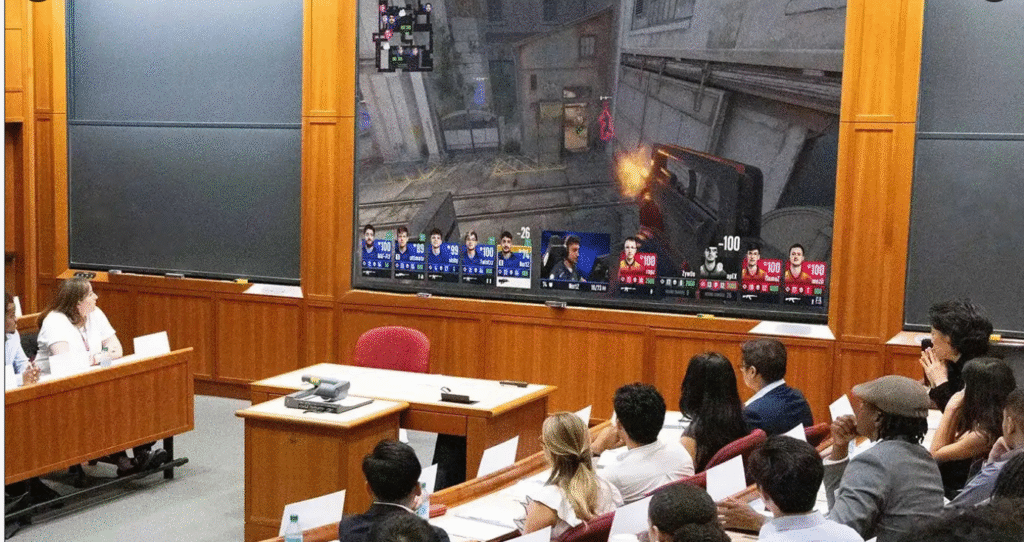
    screenshot of gaming classroom from Team liquid

    Recognizing the need for structured learning and professional development, universities across the globe have launched esports-focused degree programs. These aren’t just about playing games—they’re about understanding the ecosystem that powers them.

    Here are pioneering institutions offering Esports degrees:

    SchoolCityState/Province
    Becker CollegeWorcesterMassachusetts
    Shenandoah UniversityWinchesterVirginia
    Caldwell UniversityCaldwellNew Jersey
    Saint Peter’s UniversityJersey CityNew Jersey
    The Ohio State UniversityColumbusOhio
    Keuka CollegeKeuka ParkNew York
    University of California IrvineIrvineCalifornia
    George Mason UniversityFairfaxVirginia
    University of Texas at ArlingtonArlingtonTexas
    Lambton CollegeTorontoOntario
    Capitol Technology UniversityLaurelMaryland
    University of North DakotaGrand ForksNorth Dakota
    West Virginia UniversityMorgantownWest Virginia
    Full Sail UniversityWinter ParkFlorida

    These programs cover a wide range of disciplines:

    • Esports Business & Management: Learn how to run teams, organize tournaments, and monetize content.
    • Games Design & Development: Dive into the technical side—coding, level design, and user experience.
    • Esports Coaching & Performance: Train players, analyze gameplay, and optimize team dynamics.
    • Digital Media & Broadcasting: Master the art of streaming, commentary, and content creation.

    Some institutions, like the College of Esports in the UK, have gone all-in dedicating their entire academic mission to esports education. Their undergraduate offerings include degrees in International Esports Business, Games Art, Games Development, and Esports Coaching & Management.

    Careers in Esports: More Than Playing

    What makes esports degrees so exciting is their versatility. Graduates aren’t limited to gaming—they’re equipped for careers in:

    • Marketing and brand partnerships
    • Event production and logistics
    • Game development and UX design
    • Sports psychology and coaching
    • Journalism and content creation

    And with the rise of platforms like Twitch, YouTube Gaming, and TikTok, the demand for skilled creators and strategists is skyrocketing. Esports is no longer a side hustle—it’s a full-fledged career path.

    🇵🇰 Pakistan’s Esports Awakening: A Nation on the Rise

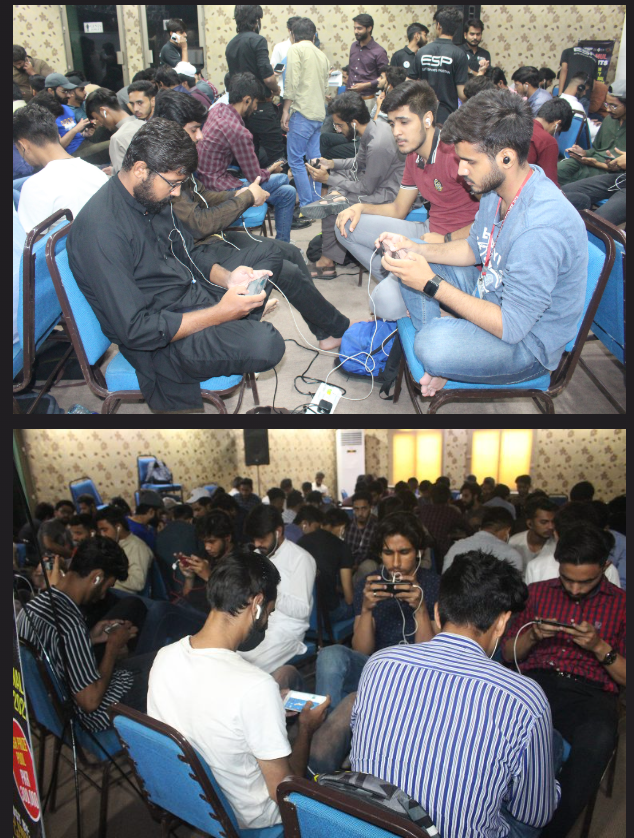
    screenshot of boys playing esports from the website of Gamers Pakistan

    While countries like the US, UK, and South Korea have long embraced esports, Pakistan is now stepping into the arena with bold ambition. Gamer Pakistan (GP) has emerged as a trailblazer, organizing over 30 esports competitions across the country. Their landmark events include:

    • University Esports National Tournament & Championship (2022)
    • National Esports Free Fire Championship (2022)
    • National Valorant League (2023)
    • Islamabad Esports Championship
    • Sindh Intervarsity PubG Tournament
    • KPK FIFA Championship
    • Lahore LAN Esports Championship
    • GP Pakistan Tekken Championship
    • Punjab Open Esports Championship

    These aren’t just casual meetups—they’re structured, competitive, and professionally managed events that bring together students, gamers, and industry stakeholders.

    Backing this movement is Elite Sports Pakistan Pvt. Ltd (ESP), GP’s affiliate company. ESP has secured 119 agreements with universities and sports authorities across Pakistan, granting them exclusive rights to license, produce, and monetize inter-collegiate esports events. Their mission? To build a sustainable esports ecosystem that nurtures talent, fosters education, and drives economic growth.

    Esports: Pathways to the Future

    The growth of esports degrees and tournaments goes beyond entertainment. For younger generations, gaming has become more than just a hobby—it’s a way to connect, learn, and even build careers. By bringing esports into education and professional training, institutions are recognizing its role as a legitimate industry and preparing students for future opportunities.

    Pakistan’s entry into this space is both timely and promising. With a young, tech-savvy population and growing digital infrastructure, the country has the potential to become a regional esports powerhouse. Initiatives like Gamer Pakistan and ESP are laying the groundwork, but the journey has only just begun.

    Imagine a future where Pakistani universities offer esports degrees, where students learn game design alongside business strategy, and where local talent competes on global stages. We will definitely see this future.

    Final Thoughts: Game On, World

    Esports is no longer the underdog—it’s the main event. From Ivy League classrooms to bustling LAN arenas, the world is embracing gaming as a serious, structured, and sustainable career path. And as Pakistan joins the revolution, a new generation of gamers, creators, and innovators is preparing to press start on their futures.

    Whether you’re a player, a strategist, a designer, or a creator—esports is gaining recognition and support worldwide. This is only the beginning of its growth.

    For Similar Reads:

  • تین کھیل، ایک سوال: سب سے سخت کون؟

    تین کھیل، ایک سوال: سب سے سخت کون؟
    اسٹارکرافٹ بمقابلہ راکٹ لیگ بمقابلہ ڈوٹا ۲: سب سے مشکل ای اسپورٹس کھیل کون سا ہے؟

    مقابلہ صرف تیز ردعمل کا کھیل نہیں—یہ حکمت عملی، مہارت، ذہنی برداشت اور باہمی تعاون کا امتحان ہے۔ ای اسپورٹس کی دنیا میں تین کھیل ایسے ہیں جنہیں سب سے زیادہ مشکل سمجھا جاتا ہے: اسٹارکرافٹ، راکٹ لیگ، اور ڈوٹا ۲۔ لیکن ان میں سے کون سا واقعی کھلاڑیوں کے لئے سب سے مشکل ہے؟

    آئیے تفصیل سے جائزہ لیتے ہیں۔


    اسٹارکرافٹ: ای اسپورٹس کی شطرنج

    اسٹارکرافٹ ایک تیز رفتار حکمت عملی پر مبنی کھیل ہے جس میں آپ تین مختلف خلائی گروہوں کی فوجوں کو کنٹرول کرتے ہیں: انسانوں جیسے ٹیرن، جنگلی زَرگ، اور جدید پروٹاس۔ ہر گروہ کا اپنا انداز، طاقتیں، اور خاص صلاحیتیں ہوتی ہیں۔

    آپ اڈے بناتے ہیں، وسائل جمع کرتے ہیں، اور دشمنوں کو شکست دینے کے لیے فوجوں کی قیادت کرتے ہیں۔ ہر فیصلہ اہم ہوتا ہے—چاہے وہ اچانک حملہ ہو یا دفاعی حکمت عملی۔ یہ کھیل تیز سوچ، ہوشیار فیصلوں اور مخالف سے ایک قدم آگے رہنے کا تقاضا کرتا ہے۔

    کیوں یہ کھیل انتہائی مشکل سمجھا جاتا ہے؟

    اسٹارکرافٹ—خاص طور پر بروڈ وار اور اسٹارکرافٹ ۲—کو اکثر “طاقت سے بھرپورشطرنج” کہا جاتا ہے۔ یہ کھیل مانگتا ہے

    • ایک ہی وقت میں کئی کام کرنے کی صلاحیت (پیشہ ور سطح پر ۳۰۰ سے زائد حرکات فی منٹ)
    • بغیر وقفے کے حکمت عملی
    • مکمل کنٹرول اور درستگی
    • دباؤ میں فوری فیصلے

    ریڈٹ کے فورم پر “سب سے مشکل ای اسپورٹس کھیل” کے عنوان سے کئی صارفین نے اسٹارکرافٹ کو سب سے مشکل قرار دیا۔

    پیشہ ور کھلاڑی “سیریل” نے انٹرویوز میں کہا کہ اسٹارکرافٹ ۲ میں اعلیٰ سطح پر کھیلنے کے لیے روزانہ کی مشق اور ذہنی نظم و ضبط ضروری ہے۔


    راکٹ لیگ: تیز رفتار حرکات، مہارت، مکمل کنٹرول

    راکٹ لیگ ایک دلچسپ کھیل ہے جس میں گاڑیاں فٹبال کھیلتی ہیں! آپ راکٹ سے چلنے والی گاڑی چلاتے ہیں، میدان میں دوڑتے ہیں، اور ایک بڑی گیند کو گول میں مارنے کی کوشش کرتے ہیں۔ یہ صرف کھیل نہیں—یہ رفتار، فلپ، جمپ، اور بوسٹ کا طوفان ہے۔

    آپ تنہا یا دوستوں کے ساتھ کھیل سکتے ہیں، یہاں ہر میچ دوڑ اور کھیل کا امتزاج محسوس ہوتا ہے۔ چاہے آپ گول کر رہے ہوں یا ہوا میں اُڑ کر شاٹ روک رہے ہوں، راکٹ لیگ مہارت، ٹیم ورک، اور زبردست ایکشن کا کھیل ہے۔

    کیوں یہ سیکھنے میں سب سے مشکل ہے؟

    راکٹ لیگ بظاہر آسان لگتا ہے: گاڑیوں کے ساتھ فٹبال۔ لیکن اسے مکمل طور پر سیکھنا بہت مشکل ہے۔ کھلاڑیوں کو سیکھنا ہوتا ہے

    • ہوا میں کنٹرول اور طبیعیاتی حرکات
    • شاٹس، بچاؤ، اور ٹیم کی گردش کا درست وقت
    • بغیر بولے ٹیم کی ہم آہنگی
    • گیند کی سمت اور مخالف کی حرکت کا فوری اندازہ

    اسی ریڈٹ تھریڈ میں کھلاڑیوں نے راکٹ لیگ کو “سیکھنے میں سب سے مشکل” قرار دیا۔

    آئی جی این کی فہرست سیکھنے کے لیے “سب سے مشکل پانچ ای اسپورٹس کھیل” میں راکٹ لیگ کو سب سے زیادہ مہارت کی ضرورت والے کھیلوں میں شامل کیا گیا۔ جائنٹ ایکس کے کھلاڑیوں نے کہا: ” راکٹ لیگ ایک ایسا کھیل ہے جوبظاہر آسان لگتا ہے لیکن اس میں مہارت حاصل کرنا بے حد مشکل ہے۔”


    ڈوٹا ۲: پیچیدگی کی انتہا

    ڈوٹا ۲ ایک ٹیم پر مبنی حکمت عملی کا کھیل ہے جس میں دو گروہ—ریڈیئنٹ اور ڈائر—ایک دوسرے کا اڈہ تباہ کرنے کی کوشش کرتے ہیں۔ ہر کھلاڑی ایک طاقتور ہیرو کو کنٹرول کرتا ہے جس کی اپنی خاص صلاحیتیں ہوتی ہیں، اور جیتنے کے لیے ٹیم ورک ضروری ہوتا ہے۔

    آپ ہیرو منتخب کرتے ہیں، دشمنوں سے لڑتے ہیں، سونا کماتے ہیں، اور اشیاء خرید کر طاقتور بنتے ہیں۔ نقشہ ایکشن، حیرتوں، اور ہوشیار چالوں سے بھرا ہوتا ہے۔ ہر میچ مختلف ہوتا ہے، اور چھوٹے فیصلے بڑی کامیابیوں کا سبب بن سکتے ہیں۔

    کیوں یہ ذہنی طور پر تھکا دینے والا ہے؟

    ڈوٹا ۲ اپنی گہرائی کے لیے بدنام ہے۔ ۱۲۰ سے زائد ہیروز، سینکڑوں اشیاء، اور درجنوں اصولوں کے ساتھ، کھلاڑیوں کو

    • بے شمار معلومات یاد رکھنی پڑتی ہیں
    • بدلتے ہوئے انداز سے مطابقت رکھنی پڑتی ہے
    • ٹیم میں ہم آہنگی اور وقت کے درست استعمال میں مہارت حاصل کرنی ہوتی ہے
    • طویل میچوں میں ذہنی دباؤ برداشت کرنا پڑتا ہے

    جائنٹ ایکس کے کھلاڑیوں نے آئی جی این کو بتایا کہ ڈوٹا ۲ “نئے کھلاڑیوں کے لیے ناقابلِ فہم” محسوس ہو سکتا ہے اور کامیابی کے لیے “غیر معمولی معلومات” درکار ہوتی ہیں۔

    ڈوئل شاکرز کی فہرست “سب سے مشکل ای اسپورٹس کھیلوں میں اعلیٰ درجہ حاصل کرنا” میں ڈوٹا ۲ کو سب سے سخت درجہ بندی والے کھیلوں میں شامل کیا گیا، جہاں صرف چند کھلاڑی ہی “ابدیت” کےدرجہ تک پہنچتے ہیں۔


    موازنہ

    خصوصیتاسٹارکرافٹراکٹ لیگڈوٹا ۲
    کھیل کی قسمحقیقی وقت کی حکمت عملیطبیعیاتی کھیلٹیم پر مبنی حکمت عملی
    کھیلنے کا اندازانفرادیٹیم (۳ کھلاڑی)ٹیم (۵ کھلاڑی)
    مہارت کی حدانتہائی بلندانتہائی بلندانتہائی بلند
    سیکھنے کی مشکلسختسختبہت زیادہ سخت
    ذہنی دباؤکئی کام بیک وقتجسمانی مہارت پر زورحکمت عملی کی پیچیدگی
    پیشہ ور کھلاڑیوں کی تھکنعامدرمیانیبہت عام

    آخری بات: سب سے مشکل کھیل کون سا ہے؟

    اس بارے میں کوئی بھی حتمی بات کہنا ممکن نہیں، ہاں البتہ یوں کہا جا سکتا ہے کہ

    • اسٹارکرافٹ دماغی چُستی اور بیک وقت کئی محاذوں پر توجہ مرکوز رکھنے کی صلاحیت کا امتحان ہے۔
    • راکٹ لیگ جسمانی مہارت اور درستگی میں سب سے آگے ہے
    • ڈوٹا ۲ حکمت عملی، معلومات، اور ٹیم ورک میں سب سے زیادہ پیچیدہ ہے

    لیکن جب سب کچھ سامنے آتا ہے، اور مہارت کی حد ناقابلِ تصور ہو جاتی ہے، تو ڈوٹا ۲ سب سے مشکل گیم کا تاج حاصل کرتا ہے۔ یہ صرف کھیل جاننے کا معاملہ نہیں—یہ ہر ہیرو، ہر شے، ہر چال، اور ہر ساتھی کے اگلے قدم کو پہلے سے جاننے کا امتحان ہے۔ دباؤ مسلسل ہوتا ہے، سیکھنے کا عمل سخت ہوتا ہے، اور غلطی کی گنجائش نہ ہونے کے برابر۔

    • اسٹارکرافٹ آپ کی سوچ کو آزماتا ہے۔
    • راکٹ لیگ آپ کے ردعمل کو آزماتا ہے۔
    • ڈوٹا ۲ آپ کو مکمل طور پر آزماتا ہے۔

    یہ کھیل صرف جیت کا میدان نہیں—یہ وہ سفر ہے جو کھلاڑی کو اندر سے بدل دیتا ہے۔ یہاں صرف مہارت نہیں، بلکہ وہ جذبہ درکار ہوتا ہے جو ہر شکست کے بعد دوبارہ اٹھنے پر مجبور کرے۔

    چاہے آپ اکیلے کھیل رہے ہوں، ہوا میں شاٹس روک رہے ہوں، یا ٹیم کے ساتھ جنگل میں حکمت عملی بنا رہے ہوں—یہ وہ مقام ہے جہاں مہارت کی حد ختم ہوتی ہے، اور اصل امتحان شروع ہوتا ہے۔

    اعزازی نام

    فورٹ نائٹ، ویلیورنٹ، اور سی ایس 2 بھی اُن کھیلوں میں شمار ہوتے ہیں جنہیں سیکھنا سب سے مشکل سمجھا جاتا ہے—یہ رائے مختلف گیمنگ مباحثوں اور پلیئرز کی گفتگو پر مبنی ہے۔

    اب آپ بتائیں کہ اگر آپ ان گیمز کو آزما چکے ہیں تو کس گیم کو مشکل ترین پایا؟ اور اگر نئے کھلاڑی ہیں تو کس گیم سے آغاز کریں گے؟ کومنٹس میں اپنی رائے کا اظہار کریں۔

    مزید پڑھیے

  • 3 Famous Games That Are Really Hard to Master

    3 Famous Games That Are Really Hard to Master


    StarCraft vs Rocket League vs Dota 2: Which Esports Game Is the Hardest to Master?

    Competitive gaming isn’t just about reflexes—it’s about strategy, mechanics, mental stamina, and adaptability. Among the most debated titles in esports, three games consistently rise to the top when players discuss difficulty: StarCraft, Rocket League, and Dota 2. But which one truly demands the most from its players?

    Let’s break it down.


    StarCraft: The Chess of Esports

    StarCraft is a fast-paced strategy game where you control powerful armies from three different alien groups: the human-like Terrans, the wild Zerg, and the advanced Protoss. Each group has its own style, strengths, and cool abilities.

    You build bases, gather resources, and command troops to defeat your enemies. Every decision matters—whether you’re planning a surprise attack or defending your territory. It’s all about thinking fast, making smart moves, and staying one step ahead.

    Why Players Say It’s Brutally Hard?

    StarCraft—especially Brood War and StarCraft II—is often described as “chess on steroids.” The game demands:

    • Multitasking at insane speeds (300+ APM at pro level)
    • Real-time strategy with zero downtime
    • Perfect macro and micro control
    • Split-second decision making under pressure

    On Reddit’s r/esports thread titled Hardest esports game”, multiple users ranked StarCraft (Brood War and SC2) as the hardest due to its complexity and mechanical demands.

    Pro Insight

    Esports Veteran Serral has emphasized in interviews that maintaining top-level performance in StarCraft II demands intense mental discipline and daily practice routines.


    Rocket League: Fast Physics, Sharp Skills, Pure Control

    Rocket League is a super fun game where cars play soccer! You drive rocket-powered vehicles, zoom across the field, and try to hit a giant ball into the goal. It’s fast, exciting, and full of wild flips, jumps, and boosts.

    You can play alone or with friends, and every match feels like a mix of racing and sports. Whether you’re scoring goals or flying through the air to block a shot, Rocket League is all about skill, teamwork, and awesome action.

    Why It’s a Skill Ceiling Monster

    Rocket League looks simple: soccer with cars. But mastering it is anything but easy. Players must learn:

    • Aerial control using physics-based movement
    • Precise timing for shots, saves, and rotations
    • Team synergy with no verbal cues
    • Split-second reads on ball trajectory and opponent behavior

    In the same Reddit thread, players called Rocket League “the hardest to learn” due to its unique movement system and steep learning curve.

    According to IGN’s 5 Toughest Esports Games to Master, Rocket League is cited for having one of the highest mechanical skill ceilings in esports. By GIANTX pro players “Rocket League is a classic example of a game that’s easy to play, but incredibly tough to master.”


    Dota 2: Complexity Overload

    Dota 2 is a team-based strategy game where two sides—Radiant and Dire—battle to destroy each other’s base. Each player controls a powerful hero with unique abilities, and teamwork is key to winning.

    You choose your hero, fight enemies, earn gold, and buy items to grow stronger. The map is full of action, surprises, and smart plays. Every match is different, and small decisions can lead to big victories.

    It’s fast, deep, and full of epic moments—perfect for players who love strategy, skill, and working with a team.

    Why It’s Mentally Exhausting?

    Dota 2 is infamous for its overwhelming depth. With over 120 heroes, hundreds of items, and dozens of mechanics, players must:

    • Memorize vast amounts of game knowledge
    • Adapt to constantly changing metas
    • Master team coordination and timing
    • Handle psychological pressure in long matches

    GIANTX’s esports pros told IGN that Dota 2 “can feel impenetrable to newcomers” and requires “unprecedented game knowledge” to succeed.

    In DualShockers’ Top 10 Hardest Esports Games to Achieve Top Rank, Dota 2 is listed as one of the most brutal ranking systems, with only a tiny fraction of players ever reaching Immortal rank.

    Comparison

    FeatureStarCraftRocket LeagueDota 2
    Game TypeReal-Time Strategy (RTS)Physics-Based SportsMultiplayer Online Battle Arena (MOBA)
    Gameplay FormatSoloTeam (3v3)Team (5v5)
    Skill CeilingExtremely HighExtremely HighExtremely High
    Learning CurveSteepSteepVery Steep
    Mental LoadHigh multitaskingHigh mechanical focusHigh strategic complexity
    Pro Player BurnoutCommonModerateVery Common

    Final Thoughts: Which Game Wins the “Hardest” Title?

    There’s no universal answer—but here’s how they stack up:

    • StarCraft wins for solo mental load and multitasking
    • Rocket League dominates in mechanical precision
    • Dota 2 overwhelms with strategic depth and team coordination

    But when the dust settles and the skill ceiling stretches beyond sight, Dota 2 claims the “hardest” crown. It’s not just about knowing the game—it’s about knowing every hero, every item, every counter, and every teammate’s next move before they make it. The pressure is constant, the learning curve unforgiving, and the margin for error razor-thin.

    StarCraft tests your mind. Rocket League tests your reflexes. Dota 2 tests everything.

    For players chasing mastery, these games aren’t just competitive—they’re transformative. They demand more than talent. They demand obsession, resilience, and the will to improve when improvement feels impossible.

    So, whether you’re grinding solo, flying across the pitch, or coordinating chaos in the jungle—welcome to the top tier. The hardest games are waiting!

    Honorable Mention:

    Fortnite, Valorant and CS 2 are also the toughest games to master according to different perceptions of players in various gamings talks and discussions platforms.

    For Similar Reads:

  • 8 Game-Changing Esports Trends You Need to Know

    8 Game-Changing Esports Trends You Need to Know

    8 Esports Trends That Will Define the Next Decade
    By someone who knows gaming isn’t just a hobby—it’s a revolution.


    Esports isn’t just leveling up—it’s rewriting the entire rulebook of entertainment, tech, and culture. What started as LAN parties and pixelated bragging rights has exploded into a billion-dollar global phenomenon. And if you think we’ve peaked, think again. The next decade is going to be wild.

    Massive LAN party at DreamHack 2004 showing rows of gamers at desktop computers in a packed indoor venue, highlighting early esports culture and community gaming.

    Here are eight esports trends that are already reshaping the game—and will keep doing so for years to come.


    1. AI Coaches & Smart Training Tools

    Let’s be real—pro gamers are like digital athletes. They grind hard, need solid game sense, and smart plays. That’s where AI steps in.

    Now we’ve got bots that watch your gameplay, call out your weak spots, and even say stuff like, “Yo, don’t peek that corner—you’ll get wrecked.” It’s wild.

    These AI tools help you aim better, think faster, and play smarter. Some even build fake enemies just to mess with your bad habits. Harsh? Yep. But it works.

    If you wanna level up, AI’s your new coach. No cap.


    2. VR Esports & Immersive Arenas

    Virtual reality is no longer just for Beat Saber and tech demos. It’s creeping into competitive gaming, and it’s got serious potential.

    VR esports are still in their infancy, but titles like Echo Arena and Blaston are proving that full-body gameplay can be just as intense—and way more immersive—than keyboard and mouse. As hardware gets cheaper and more portable, expect VR tournaments to become a staple.

    And for spectators? Think virtual stadiums where you can walk around, choose your camera angle, and even interact with other fans. It’s like Twitch meets the Metaverse.


    8 trends of esports infographics

    3. Mobile Esports Taking Over

    If you’re still sleeping on mobile esports, wake up. Games like PUBG Mobile, Free Fire, and Mobile Legends are dominating viewership and prize pools—especially in regions like Southeast Asia, Latin America, and the Middle East.

    Why? Accessibility. Not everyone has a gaming PC, but almost everyone has a smartphone. Mobile esports have revolutionized competitive gaming by making it more accessible to everyone—and the skill ceiling is impressively high.

    Expect more publishers to optimize their games for mobile, and more tournaments to go mobile-first. The future isn’t just portable—it’s pocket-sized.


    4. Esports Betting & Micro-Wagering

    This one’s a bit controversial, but it’s growing fast. Esports betting is becoming a massive industry, with fans placing wagers on match outcomes, player stats, and even in-game events like “first blood” or “next kill.”

    Micro-wagering—betting on tiny moments in real time—is especially hot. It adds a layer of excitement for viewers and opens up new revenue streams for platforms.

    Of course, regulation is key. But if done right, esports betting could become as mainstream as fantasy football or March Madness brackets.


    5. Fan-Driven Content & Community Casting

    Gone are the days when only official broadcasters had the mic. Now, fans are the commentators, analysts, and entertainers.

    Community casting is blowing up, with streamers and creators offering their own takes on matches, player drama, and game updates. Platforms like YouTube and Twitch are rewarding these creators with monetization tools, sponsorships, and visibility.

    In the next decade, expect fan-driven content to rival traditional broadcasts—and maybe even replace them. The power is shifting to the people.


    6. Gamification of Esports Platforms

    Do you know about gamification? Whether you’re an esports player or an avid fan, gamification is made for you.

    Let me explain! Gamification means making something feel like a game—even if it’s not. Esports platforms are using this idea to make watching and following esports more fun and interactive.

    Instead of just sitting and watching matches, fans can now earn points, unlock rewards, and climb leaderboards by doing things like predicting who will win, watching games live, or joining challenges. It’s kind of like turning the whole experience into a mini-game for the fans. This keeps people excited and coming back, because they feel more involved and rewarded for their time. Think of it like fantasy sports or a battle pass—but for esports viewing.

    That’s the idea behind gamification. Esports platforms are adding missions, leaderboards, and loyalty rewards to keep fans engaged. Watch a match, earn points. Predict a winner, unlock skins. It’s like fantasy sports meets battle pass.

    This trend is all about turning passive viewers into active participants. And it’s working.


    7. Women in Esports: The Rise Continues

    Let’s be real, esports has had a gender gap. But that’s changing fast.

    More women are competing, streaming, and leading in esports than ever before. In Brazil, female participation jumped from 15% to 25% in just a few years. Tournaments like Valorant Game Changers and Girl Gamer Festival are spotlighting female talent and breaking stereotypes.

    Brands are also stepping up, sponsoring women-led teams and creating inclusive campaigns. The next decade will be about equity, representation, and rewriting the narrative.


    8. Esports as a Cultural Movement

    Esports is more than just gaming—it’s starting to shape things like fashion and education too.

    Streetwear brands are collaborating with teams. Universities are offering esports scholarships. Even the Olympics are flirting with the idea of including esports as a medal event.

    In places like Saudi Arabia and South Korea, esports is part of national strategy. It’s not just entertainment—it’s identity, economy, and innovation rolled into one.


    Final Thoughts: The Game Has Just Begun

    Esports is evolving faster than any other entertainment medium. It’s not just about who wins the match—it’s about who shapes the future. Whether you’re a player, fan, creator, or investor, now’s the time to get involved.

    Because in the next decade, esports won’t just be a trend—it’ll be the culture.

    For Similar Read:

  • Is It Just a Game? The Truth Behind Esports Obsession

    Is It Just a Game? The Truth Behind Esports Obsession

    “Is it just a game?”
    That’s the question 17-year-old Ali was asked by his parents when they found him playing Valorant at 3 a.m. again. But for Ali—and thousands of esports players like him—it’s not just a game. It’s a career, a passion, and a battlefield of challenges that most outsiders don’t see.

    Welcome to the world of esports, where the stakes are high, the competition fierce, and the pressure relentless. Behind the flashing screens and roaring crowds lies a reality that’s far more complex than most imagine.


    The LAG That Kills Dreams

    Let’s start with something every gamer dreads: lag. Imagine you’re in the final round of a tournament, your team is counting on you, and just as you’re about to make the winning move—your screen freezes. That split-second delay caused by poor internet or server issues can cost players thousands of dollars, sponsorships, and even their reputation.

    For professional esports players, lag isn’t just annoying—it’s a career hazard. Many invest in high-end gear and premium internet plans, but even then, technical glitches can strike at the worst moments.


    Foul Language & Toxicity

    Esports matches are intense. But with intensity often comes toxicity. Players are frequently exposed to foul language, insults, and even threats during matches—especially in online ranked games. While some develop thick skin, others internalize the negativity, which can affect their confidence and mental health.

    Toxic environments also discourage newcomers and can lead to burnout. Many teams now hire psychologists or moderators to help manage team dynamics and online interactions.


    Mental Health: The Silent Opponent

    Esports players face immense psychological pressure. The need to perform consistently, maintain rankings, and meet expectations can lead to anxiety, depression, and burnout. Unlike traditional sports, esports lack structured mental health support in many regions.

    Players often isolate themselves to practice for hours, sacrificing sleep and social interaction. Over time, this isolation can lead to emotional instability and loneliness.


    Eyes on the Prize—But at What Cost?

    Staring at screens for 8–12 hours a day takes a toll. Eye strain, dry eyes, and blurred vision are common among esports athletes. Some report headaches and difficulty focusing on real-world tasks after long gaming sessions.

    Blue light glasses and screen breaks help, but the damage accumulates. Long-term exposure can even lead to deteriorating eyesight, especially in younger players who start training early.


    Parents: The First Boss Level

    Many esports players face parental restrictions. In cultures where academic success is prioritized, gaming is often seen as a distraction or waste of time. Players hide their practice schedules, sneak in matches late at night, and struggle to convince their families that esports is a legitimate career.

    This lack of support can be emotionally draining. Some players give up their dreams entirely due to family pressure, while others push forward in secrecy, adding another layer of stress.


    Muscle Fatigue & Physical Strain

    Esports may not involve running or jumping, but it’s physically demanding. Long hours of sitting and repetitive hand movements lead to wrist pain, backaches, and even carpal tunnel syndrome. Without proper posture and regular exercise, players risk long-term damage to their bodies.

    Some teams now include physiotherapists and fitness routines in their training programs, but many solo players lack access to such resources.


    Addiction & Obsession

    There’s a fine line between dedication and addiction. Esports players often become obsessed with improving their skills, climbing ranks, and staying ahead of the competition. This obsession can lead to unhealthy habits—skipping meals, avoiding sleep, and neglecting relationships.

    Game addiction also affects emotional regulation. Players may become irritable, impulsive, or overly competitive, even outside the gaming world.


    Studies & Social Life: The Forgotten Realms

    Balancing esports with education and social activities is a major challenge. Players often skip classes, miss assignments, or drop out entirely to focus on gaming. While some succeed, many struggle to return to academics if their esports career doesn’t pan out.

    Social life also takes a hit. Friends drift away, relationships suffer, and players find themselves disconnected from the world beyond their screens.


    Behavioral Shifts & Personality Changes

    Constant exposure to competitive environments, toxic chats, and high-pressure situations can lead to behavioral changes. Players may become more aggressive, impatient, or emotionally volatile. Some develop a superiority complex, while others withdraw completely.

    These shifts affect not just the player, but their families, friends, and teammates. Recognizing and addressing these changes early is crucial for long-term well-being.


    So, What’s the Solution?

    Esports is here to stay—and it’s growing fast. But to ensure players thrive, not just survive, we need:

    • Mental health support: Regular counseling and emotional check-ins.
    • Parental education: Helping families understand the esports ecosystem.
    • Physical wellness programs: Including posture training, exercise, and breaks.
    • Academic flexibility: Schools and colleges offering hybrid models for esports athletes.
    • Community building: Safe spaces for players to connect, share, and grow.

    Ali’s story isn’t unique. It’s the story of thousands chasing their dreams in a digital arena filled with both glory and grit. So next time someone says, “It’s just a game,” maybe ask them to play a round under pressure, with lag, a sore wrist, and a crowd watching.

    They might just change their mind.

  • -لڑکوں کے 5 پسندیدہ ترین آن لائن گیمز Fortnite, PUBG, Free fire, Minecraft, League of legends

    -لڑکوں کے 5 پسندیدہ ترین آن لائن گیمز Fortnite, PUBG, Free fire, Minecraft, League of legends

    دنیا کی 2۔8 ارب کی آبادی میں سے تقریباً 53٪ لڑکے آن لائن گیمز کھیلتے ہیں جو 2 ارب سے زیادہ بنتے ہیں۔ ان گیمز میں سب سے زیادہ مشہور فورٹ نائیٹ، پب جی، مائن کرافٹ، لیگ آف لیجنڈز، فری فائیر اور دیگر کئی شامل ہیں۔ مسلسل بدلتےاشاریے بتاتے ہیں کہ آن لائن گیمز کی دنیا دن بدن ترقی کر رہی ہے۔ روزانہ کے ان گنت گھنٹے گیمز سیکھنے، کھیلنے اور جیتنے پر صرف کیے جاتےہیں اور اب تو اس میں ہر عمر، طبقے اور علاقے کے لوگ شامل ہو رہے ہیں۔ان میں زیادہ تر ترقی یافتہ دنیا کا حصہ ہےجہاں انٹرنیٹ کی رفتار کافی تیز ہے۔ آج ہم خاص طور پر 5اُن گیمز کا ذکر کریں گے جو ساری دنیا میں سب سے زیادہ کھیلی جاتی ہیں اور جنہیں امّی ابا کی ڈانٹ کے باوجود بچے چھوڑ نہیں پاتے۔

    "Top 5 online games for boys – Fortnite, PUBG, Free Fire, Minecraft, League of Legends"

    Fortnite فورٹ نائیٹ

    روزانہ کھیلنے والے پلیئرز: 6 کروڑ

    کم از کم مہینے میں ایک دفعہ کھیلنے والے پلیئرز: 11 کروڑ

    رجسٹرڈ پلیئرز: 65 کروڑ

    یہ کھلاڑی 90٪ لڑکے ہیں اور ان میں بھی 62٪ ،18 سے 24 سال کے درمیان ہیں۔

    گیم کی وجہء شہرت

    انتہائی مشہور اور پسند کی جانے والی اس گیم میں ایسا کیا ہے جو ساری دنیا کی توجہ کھینچے ہوئے ہے؟ آئیے جانتے ہیں۔

    فورٹ نائیٹ 2017 میں جب مارکیٹ میں آئی تو اِس نے دنیا کو ہلا کے رکھ دیا اور آج تک کروڑوں لوگوں کو اپنا دیوانہ بنائے ہوئے ہے۔ سب سے بڑی خوبی یہ ہے کہ گیم مفت ہے اور موبائل، لیپ ٹاپ، پلے اسٹیشن ہر جگہ کھیلی جا سکتی ہے۔ ملٹی پلیئرز یعنی 100 کھلاڑیوں کے مل بیٹھنے سے گیم کا آغاز ہوتا ہے، پیرا شوٹ کے ذریعے طوفان میں گھِرے ایک جزیرے پر پہنچنا ہے، اپنا دفاع کرنے کے لیے کلہاڑے سے اینٹیں، پتھر توڑ کر قلعہ خود بنانا ہے، دشمن کو مارنا بھی ہے اور مرنے سے بچنا بھی ہے۔

    گیم کے اندر جو پلیئر ہے اُس کے لئے اپنی پسند کے کئی لباس میسر ہیں، ایک میچ میں آپ سپائڈر مین بن کر چھلانگیں لگا رہے ہیں تو دوسرے میچ میں کیلا بن کر مزاحیہ ناچ ناچ رہے ہیں۔ کھیلنے والا ہر طرح کے تجربے سے لطف اندوز ہو سکتا ہے۔ ہر ہفتے نئی اپ ڈیٹس آ رہی ہیں، مشہور فلموں کے نامی گرامی اسٹارز کے کردار گیم میں ملتے ہیں تو اُن جیسا بننے کا خواب بھی پورا ہو جاتا ہے اور کھیلنے کا مزہ بھی مل جاتا ہے۔ ابھی مئی میں فورٹ نائیٹ کا اسٹار وارز ورژن آیا تھا جس میں بے تحاشا لوگوں کا اسٹار وارز کے کردار بننے کا خواب پورا ہوا اور گیم نے لاتعداد کامیابیاں بھی سمیٹیں۔

    PUBG پب جی

    روزانہ کھیلنے والے پلیئرز: 2 کروڑ، 50 لاکھ اور چینی ورژن میں 5 کروڑ، کل: 7کروڑ، 50 لاکھ

    کم از کم مہینے میں ایک بار کھیلنے والے پلیئرز: چینی ورژن ملا کر: 3 کروڑ

    رجسٹرڈ پلیئرز: 20 کروڑ صرف موبائیل گیم میں

    وجہء شہرت

    یہ گیم بھی 2017 میں مارکیٹ میں آئی۔ 100 سے زیادہ کھلاڑیوں نے ایک جزیرے پر اُتر کر بقاء کی جنگ لڑنی ہے اور سب کا خاتمہ کر کے زندہ بچنا ہے اور ظاہر ہے جو زندہ بچے گا، جیتے گا بھی وہی۔ پب جی اور فورٹ نائیٹ کا منظر نامہ ملتا جلتا ہے، فرق یہ ہے کہ فورٹ نائیٹ کا ماحول کارٹون نما ہے اور پب جی کا ماحول حقیقی ہے۔ پب جی کی بے پناہ مقبولیت کی بہت سی وجوہات ہیں۔

    ایک تو یہ ہی کہ  اس کا ماحول حقیقت کے قریب ہے، گرافکس شاندار ہیں، لڑائی اتنی حقیقی ہوتی ہے کہ پلیئر ذہنی اور جذباتی طور پر پورے کا پورا گیم میں گُم ہو جاتا ہے۔

    دوسری بڑی وجہ دوست بننا ہے۔ کئی لوگوں کا کہنا ہے کہ گیم کا سب سے خوبصورت لمحہ وہ نہیں ہوتا جب وہ ‘ چکن ڈنر’ کرتے ہیں یعنی گیم جیت جاتے ہیں بلکہ وہ ہوتا ہے جب وہ گیم میں ایک دوسرے کے ساتھ تعاون کر کے دوست بناتے ہیں جو پھر اصل زندگی میں اُن کے پکے ساتھی بن جاتے ہیں اور یہ لمحے یادگار ہوتے ہیں۔

    تیسرا نکتہ یہ کہ میپ یعنی نقشے ایسے شاندار اور تفصیلی ہوتے ہیں اور تکنیکی خصوصیات اتنی ہوتی ہیں کہ نہ صرف گیم کھیلنا آسان ہو جاتا ہے بلکہ لُطف بھی دوبالا ہو جاتا ہے۔

    چوتھی خوبی اس کا موبائیل فرینڈلی ہونا ہے۔ گیم آئی تو پی سی پر کھیلنے کے لئے تھی لیکن پھر اس کا موبائیل ورژن متعارف کروایا گیا جو کئی ورلڈ ریکارڈ توڑ گیا اور آج بھی انتہائی پسندیدہ ہے۔

    پچھلے کچھ عرصے میں گیم کی مقبولیت میں کچھ کمی واقع ہوئی کیونکہ کئی کھلاڑیوں نے انٹر نیٹ دستیابی اور دیگر تکنیکی خرابیوں کا سامنا کرنے کی شکایت کی۔ اس کے علاوہ بعض ملکوں میں اس پر پابندی بھی لگا دی گئی ہے۔ لیکن اب 2025 میں گیم کی مالک کمپنی ‘کرافٹن’ نے کافی اپ ڈیٹس کی ہیں اور خامیوں کو دور کیا ہے جس سے بہت سے پلیئرز واپس لوٹ آئے ہیں اور گیم دوبارہ مشہور ہو رہی ہے۔

    Free Fire فری فائیر

    روزانہ گیم کھیلنے والے پلیئرز: 10 کروڑ صرف فروری 2024 میں

    کم از کم  ایک بار کھیلنے والے یوزرز: 5 کروڑ 40 لاکھ مہینے میں

    وجہء شہرت

    فورٹ نائیٹ اور پب جی کی طرح فری فائیر بھی روئیل بیٹل شوٹنگ گیم ہے۔ان گیمز کے ساتھ اتنے سخت مقابلے کے باوجود یہ گیم بھی اتنی کامیاب کیسے ہے؟ آئیے آپ بھی جانئے! تو معاملہ یوں ہے جناب کہ یہ گیم خاص طور پر موبائیل استعمال کرنے والوں کے لئے بنائی گئی، مفت کھیلی جاتی ہے اور اس کے میچز مختصر ہوتے ہیں۔ پھر مشہور شخصیات کے تعاون نے بھی لوگوں کی دلچسپی میں اضافہ کیا ہے جیسے ‘کرسٹیانو رونالڈو‘ کے بدولت ‘آپریشن کرونو’ کردار شامل کیا گیا تو گیمرز کی تعداد میں بے تحاشا اضافہ دیکھنے میں آیا، اسی طرح عالمی شہرت یافتہ ‘بی ٹی ایس‘ بینڈ نے 2022 میں فری فائیر کے ساتھ تعاون کیا اور گیم کی شہرت میں چار چاند لگے، اس کے علاوہ جسٹن بائیبر، ڈی جے آلوک اور دیگر فری فائیر کی ترقی میں اہم کردار ادا کر چکے ہیں۔

    League of Legends لیگ آف لیجنڈز

    روزانہ گیم کھیلنے والے پلیئرز: 3 کروڑ 50 لاکھ

    کم از کم مہینے میں ایک بار کھیلنے والے پلیئرز: 5 کروڑ 33 لاکھرجسٹرڈ پلیئرز: 18 کروڑ سے زیادہ

    وجہء شہرت

    لیگ آف لیجنڈز سال 2009 میں مارکیٹ میں آئی۔ یہ بھی روئیل بیٹل گیم ہے، کمپیوٹرز پر مفت کھیل سکتے ہیں۔ 5،5 کھلاڑیوں کی دو ٹیمز آپس میں مقابلہ کرتی ہیں۔اپنے آپ کو بچاتے ہوئے دشمن کی بیس تک پہنچنا ہے اور اُسے تباہ کرنا ہے۔ گیم میں ‘چیمپئن’ کے کردار کو پلیئر کنٹرول کرتا ہے اور دشمن کو مارتے ہوئے پوائنٹس حاصل کرتا ہے۔ گیم مشہور بھی ہے لیکن متشدد ہونے کی وجہ سے تنقید کا سامنا بھی رہتا ہے۔

    گیم کی کمائی عموماً کرداروں کی نت نئی اسکن کی خریداری سے ہوتی ہے۔ 26 سال پرانی ہونے کے باوجود مقبولِ خاص و عام ہے کیونکہ گیمنگ کی زبان میں میچور کونٹینٹ ہے اسی لئے ہنوز راج کر رہی ہے۔ گیم کی پرفارمنس اور کمپنی کی پالیسی کی وجہ سےکئی پلیئرز گیم کھیلنا چھوڑ چکے ہیں لیکن ابھی بھی کروڑوں کھیلنے والوں کے دل کی دھڑکن ہے۔

    Minecraft مائن کرافٹ

    روزانہ کھیلنے والے پلیئرز: 2025 میں 5 کروڑ  اور عموماً 15 لاکھ

    کم از کم مہینے میں ایک بار ایکٹو ہونے والے پلیئرز: 20 کروڑ سے زیادہ

    رجسٹرڈ پلیئرز: 30 کروڑ

    وجہء شہرت

    سادہ سی یہ گیم باقی گیمز کی طرح بالکل بھی روئیل بیٹل نہیں ہے۔ یعنی ٹینشن کے ماحول سے ہٹ کر اِس میں اپنا مقصد خود بنایا جاتا ہے۔ پلیئر آزادی سے دنیا میں گھومتا پھرتا ہے۔ اینٹ پر اینٹ جوڑ کر خود اپنی عمارت تعمیر کرتا ہے۔ دن میں ‘کریپرز’ یعنی پیچھے پڑ جانے والوں سے اور رات میں ‘زومبی’ سے اپنے گھر کو محفوظ رکھتا ہے۔ اس گیم کی دنیا ایسی ہے جہاں آپ اپنے فیصلے خود کرتے ہیں، خود ہی تخلیق کار ہیں، کوئی آپ کو حکم جاری نہیں کرتا، نیا کھیلنے والوں کے لئے گیم میں کوئی دشمن نہیں ہے لیکن گیم کے سروائیول موڈز بھی ہے جہاں لڑائی کرنی ہوتی ہے۔

    اِسے موبائیل،  پلے اسٹیشن وغیرہ پر کھیلا جا سکتا ہے۔ مزے کی بات یہ ہے کہ گیم کے زیادہ تر پلیئرز 3 سے 12 سال کی عمر کے بچے ہیں، جن میں 54٪ لڑکے اور 46٪ لڑکیاں ہیں۔ مائن کرافٹ کے 50٪ پلیئرز اکیلے کھیلنا پسند کرتے ہیں اور 11٪ والدین روزانہ اپنے بچوں کے ساتھ کھیلتے ہیں۔ گیم تعلیمی مقصد کے لئے بھی کھیلی جاتی ہے۔ بس پھر تو فائدہ ہے یعنی ایک تیر سے دو شکار۔ کھیل بھی اور علم بھی۔

    ذاتی راۓ

    گیمز کھیلنا صرف وقت گزارنے کا ایک مشغلہ ہی نہیں بلکہ ایک دنیا ہے، جہاں ہر کھلاڑی کی ایک اپنی پہچان اور اپنی کہانی ہے اور  ہر کسی کی جیت کا اپنا لمحہ ہے۔ میں نے ان گیمز کو کھیلنے سے زیادہ سمجھنے کے لیے دیکھا ہے۔ چاہےفورٹ نائیٹ کی تخلیقی دنیا ہو یا مائن کرافٹ کی خاموش تعمیر، ہر گیم میں کچھ نہ کچھ سیکھنے کو مل ہی جاتا ہے۔ شاید یہ ہی وجہ ہے کہ یہ گیمز لڑکوں کے ہی نہیں، بلکہ ہر عمر کے لوگوں کے دل جیت چکی ہیں۔ اور اگر آپ بھی ایسے ہی کبھی کسی گیم میں کھو جائیں، تو یاد رکھیں — یہ صرف وقت گزاری نہیں، یہ ایک تجربہ ہے۔ آپ کی پسندیدہ گیم کون سی ہے؟ کومنٹس میں ضرور بتائیں!

    توجہ فرمائیے: اعداد و شمار میں اب بھی کمی بیشی ہو سکتی ہے اگرچہ یہ ڈیٹا مختلف سائیٹس سے موازنہ کرنے کے بعد شائع کیا گیا ہے۔

    اگر اُردو میں گیمز کے بارے میں مزید پڑھنا چاہتے ہیں یہ پڑھئے

    کیا ہے فورٹ نائیٹ میں ایسا کہ 75 سالہ دادی امّاں بھی کھیلتی ہیں؟ – Esports Planet

    کیا گیم فورٹ نائیٹ بیٹل روئیل سے پیسے کمائے جا سکتے ہیں؟ – Esports Planet

    آن لائن گیم فورٹ نائیٹ بیٹل روئیل: جیت کے راز؟ – Esports Planet

  • کیا گیم فورٹ نائیٹ بیٹل روئیل سے پیسے کمائے جا سکتے ہیں؟

    کیا گیم فورٹ نائیٹ بیٹل روئیل سے پیسے کمائے جا سکتے ہیں؟

    فورٹ نائیٹ ایک ایسی گیم ہے جو روزانہ لاکھوں افراد کھیلتے ہیں اور کئی لاکھوں افراد ایسے ہیں جو اِن کھلاڑیوں کو کھیلتا ہوا دیکھ کر سیکھتے ہیں۔ اِن میں سے اکثر تو گیمز کا شوق رکھتے ہیں اور کچھ ایسے بھی ہیں جو باقاعدہ کمائی کر تےہیں۔اس گیم سے پیسے کمانے کے تین طریقے ہیں۔

    •       فورٹ نائیٹ کی بانی کمپنی ‘ایپک گیمز‘ کے منعقد کردہ ٹورنامنٹس میں شریک ہو کر اور مقابلے جیت کر آپ امیر ہو سکتے ہیں۔
    •       سپورٹ اے کری ایٹر کوڈ بنا کر  ڈالرز حاصل کر سکتے ہیں۔
    •       اناڑی کو بنائیں ماہر کھلاڑی

    آئیے اِن طریقوں کو تفصیل سے جانتے ہیں۔

    گیم کے ٹورنا منٹس میں شرکت کیسے کریں؟

    Ai%20image%20(2)

    رقم جیتنے کے لئے اگر آپ گیم کے مقابلوں میں حصہ لینا چاہتے ہیں تو آئیے ہم آپ کو اس کا طریقہ سمجھاتے ہیں۔

    کرنا کچھ یوں ہے کہ آپ نے گیم کے ‘مین مینو‘ میں ‘کم پِیٹ’ والے حصے میں تشریف لےجانا ہے اور وہ ٹورنامنٹ منتخب کرنا ہے جس میں آپ حصہ لینا چاہتے ہیں۔ پھر اُس تمام معلومات کی تفصیل بتانی ہے جو کمپنی آپ کے بارے میں جاننا چاہتی ہے اور پھر ‘کوالیفائیرز‘ کے بٹن پر کلک کر کے گیم کھیلنا شروع کر دینی ہے۔آپ کو کمپنی کے بتائے گئے وقت پر سائن اِن ہونا ہے اگر مقررہ وقت پر مقابلے میں حصہ نہیں لیا تو آپ ‘ڈس کوالیفائی’ ہو جائیں گے اور اگلے مرحلے میں حصہ نہیں لے سکیں گے۔ بس دھیان رہے یہ ٹورنا منٹ ٹھیک ٹھاک مشکل ہوتے ہیں اور اِن میں جیتنے کے لیے خوب جان مارنی پڑتی ہے۔ کیا ہے آپ میں اتنا دم؟

    اگرآپ کا سکور اچھا ہوا تو کمپنی آپ کو ورلڈ کپ میں کھیلنے کے لئے خود دعوت دے گی۔ ورلڈ کپ کے معرکے تک پہنچنے کے لئے اِن ٹورنامنٹس میں حصہ لینا اور کامیاب ہونا بہت ضروری ہے ، ویسے ان ٹورنامنٹس کے پہاڑ سر کرتے کرتے ہی آپ کافی رقم کما لیں گے کیونکہ یہ ٹورنامنٹس بھی انعامی رقم رکھتے ہیں تو سوچ کیا رہے ہیں، لیں حصہ اور سب کے چھکے چھڑوا دیں اور اُڑا لے جائیں جیت کی رقم۔

    اس کے علاوہ آپ روزانہ کے ‘کیش کپ‘ میں بھی حصہ لے سکتے ہیں اور لیڈر بورڈ کے درجہ اوّل پر آکر انعام حاصل کر سکتے ہیں، اگرچہ اِن کیش کپس کی رقم تھوڑی ہوتی ہے لیکن اس میں کامیاب ہو کر آپ فورٹ نائیٹ کے ورلڈ کپ کے لئے تیار ہو سکتے ہیں جو آپ کو کروڑ پتی بنا دے گا۔

    سپورٹ اے کری ایٹر کوڈ کیا ہے؟

    فورٹ نائیٹ روئیل بیٹل گیم سے کمائی کا اگلا طریقہ ہے سپورٹ کری ایٹر کوڈ کے لئے اپلائی کرنا۔ اِس کے لئے آپ کمپنی ‘ایپک گیمز’ کے پیج پر اپنے سوشل میڈیا چینلز کی معلومات فراہم کریں گے۔ کمپنی آپ کے تمام چینلز کی تصدیق کرے گی اور یقینی بنائے گی کہ آپ ‘کوڈ’ کے اہل ہیں یا نہیں۔ ہو گا کچھ یوں کہ جب بھی کوئی گیم میں موجود پلے اسٹور سے کوئی آئٹم خریدنے کے لئے آپ کا کوڈ استعمال کرے گا تو اِس خریداری کی رقم کا ایک حصہ کمپنی آپ کو ادا کرے گی۔ اس سہولت سے فائدہ اٹھانے کے لئے ضروری ہے کہ آپ زیادہ سے زیادہ اپنا کوڈ لوگوں تک پہنچائیں اور گیم کی تشہیر کریں،اس کے لئے ویڈیوز بنائیں، بلاگز لکھیں یا گیم جیتنے کے طریقے بتائیں۔ اس طرح جب آپ کا کوڈ جتنی خریداریوں میں استعمال ہو گا، اُتنا آپ پیسے کما سکیں گے۔

    آن لائن گیم کھیل کر لوگوں کو متوجہ کریں اور اناڑی کو بنائیں ماہر کھلاڑی

    تیسرا طریقہ ہے یہ کہ اگر آپ کو اپنی گیمز کھیلنے کی صلاحیتوں پر اعتماد ہے اور آپ سمجھتے ہیں کہ آپ اوروں کو بھی سکھا سکتے ہیں اور سونے پر سہاگہ آپ کے کامیاب سوشل میڈیا چینلز بھی ہیں تو آن لائن گیم کھیلتے ہوئے براہ راست لوگوں کو دکھا کر آپ متعلقہ کمپنیز کے ساتھ تعاون سے کامیابی کے ساتھ پیسے کما سکتے ہیں۔ اس کے لئے عموماً لوگ ‘یوٹیوب’ اور ‘ٹویچ’ پر ہزاروں، لاکھوں افراد کو براہ راست میچز دکھا کر شہرت اور پیسہ سمیٹتے ہیں جیسے یہ سکاٹش دادی امّاں کما رہی ہیں۔

    آخری دو بول

    گیم کھیلئے اور دوسروں کو بھی سکھائیں۔ ساتھ میں جسمانی ورزش بھی کریں اور آنکھوں کا خیال بھی رکھیں۔ کیونکہ صحت ہے تو مزہ ہے ورنہ سب بے کار ہے۔