Tag: Valorant

  • Who Is Skel? Pakistan’s Rising Female VALORANT Leader

    Who Is Skel? Pakistan’s Rising Female VALORANT Leader

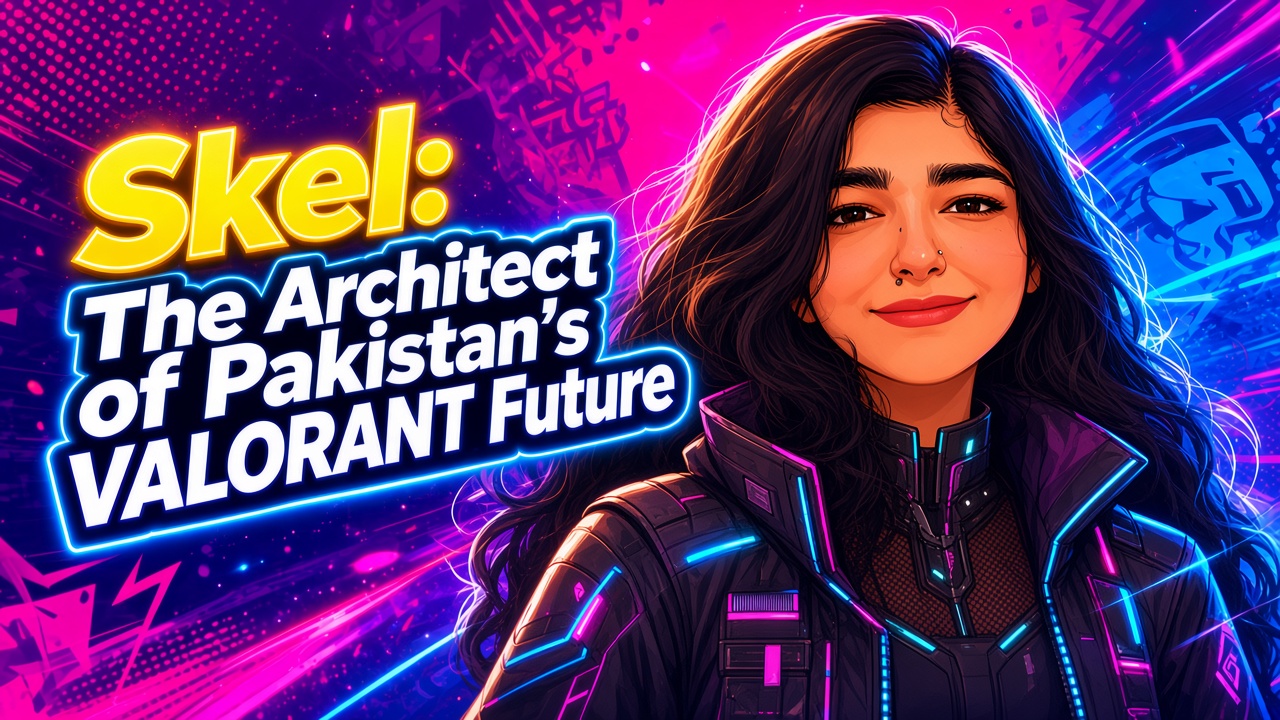
    “I was told that I was ‘good for nothing’ and faced a lot of similar criticisms,” Ayesha Samman revealed to IGN Pakistan in a candid interview. “But when I got into competitive gaming, I realized that not only do I have a brain that can think fast and hard and come up with so many ideas, but that I also have the reflexes and the physical strength to do this.”

    While professional gaming remains a heavily underrated field in Pakistan and breaking through as a female VALORANT pro is still considered rare, the tides are permanently turning. Today, Samman has officially transitioned from the server into the history books as the head coach for the Pakistan national VALORANT team.

    The South Asian esports ecosystem has rapidly evolved from a casual hobby into a multi-million-dollar industry, yet few figures embody this transformation like Ayesha Samman. Known globally by her in-game aliases Skel (and formerly Mythica or Peach), Samman has permanently etched her name into the history books as one of Pakistan’s most influential professional VALORANT athletes and tactical coaches.

    Her appointment as head coach of Pakistan’s national VALORANT team for the 2026 Esports Nations Cup marks yet another historic milestone in her trailblazing career. Set to lead her country on the global stage at the main event this November, Skel brings a wealth of elite competitive and strategic experience to the role.

    Her journey features prominent stints as a player for top regional rosters like Orangutan X, The Covenant GC, and Sovereign, alongside a proven coaching pedigree with REIGN in the highly competitive Challengers OCE circuit. With her deep understanding of both local talent and international playstyles, this head coaching debut is set to be a definitive moment for Pakistani esports.

    The Early Grind: Breaking the Grassroots Barrier

    Ayesha Samman’s connection to competitive gaming began long before VALORANT dominated the tactical shooter landscape. Starting her journey around 2018 in the highly demanding servers of Counter-Strike: Global Offensive (CS:GO), she quickly gained recognition as one of Pakistan’s very first female gaming streamers and tournament casters.

    In a regional landscape historically dominated by male players, Samman faced double the hurdles. Navigating server connectivity challenges, high latency ping, and traditional societal stigmas surrounding gaming as a viable career, she relied entirely on sharp mechanical skills and a rare, intuitive understanding of map macro-strategy. When Riot Games launched VALORANT, it became the catalyst that skyrocketed her into the global spotlight.

    The Orangutan X Era: Proving South Asian Dominance

    Samman’s transition into a top-tier international athlete solidified in April 2022 when she was signed by the premium Indian esports organization Orangutan X under the alias Peach. Competing against the absolute best rosters in the Asia-Pacific (APAC) region, her presence as a fierce duelist and sentinel provider helped push the squad into the Top 5 teams in Asia.

    Her tenure at Orangutan X didn’t just yield tournament earnings; it proved to global scouts that Pakistan possessed the mechanical depth required to compete at the highest tier of international VCT Game Changers circuits.

    Transitioning to the Coach’s Chair: Leading Team Pakistan

    True tactical geniuses eventually transcend the mouse and keyboard to shape the broader meta. Recognizing her deep understanding of late-game rotations and agent compositions, Samman pivoted heavily into leadership and management.

    Her crowning professional achievement arrived in June 2026, when she made history by being officially named the Head Coach of Team Pakistan for the Esports Nations Cup (ENC) VALORANT tournament. Stepping in to guide the nation’s premier tactical minds, her coaching tenure—along side her current leadership at ROSO GC—showcases her evolution from a raw mechanical star into a highly respected strategic mastermind.

    Balancing High-Stakes Esports with Personal Milestones

    Ayesha Samman (Skel) met her husband, an American gamer known online as Addie (zikumi068), through this tactical shooter game VALORANT. After initially navigating a long-distance relationship, the couple officially married in November 2025 and held their wedding reunion in Pakistan, a milestone Samman subsequently shared with her community via her public social media profiles.

    For fans and aspiring players, Samman’s openness about her life highlights a crucial truth: behind every historic esports victory is a human being navigating real-world growth, proving that emotional stability is the ultimate foundation for professional longevity.

    What’s Next for Skel?

    Whether she is developing strategies or guiding players, Ayesha “Skel” Samman continues to be a leading figure in South Asian esports. As the head coach of Pakistan’s national team, she hopes to help the country gain greater international recognition. Despite challenges and criticism, she remains committed to creating a more inclusive gaming community.

    I think the only thing I want to say is that I just hope people in our country change their mindsets about gaming. I hope we can become people that wouldn’t judge people for their gender, age, race, or anything else and just know them for their skills.
  • Esports World Cup 2026 Unveils Unprecedented $75M Prize Pool

    Esports World Cup 2026 Unveils Unprecedented $75M Prize Pool

    Players and their clubs are really going to be filthy rich with this mind-blowing prize pool. I believe!

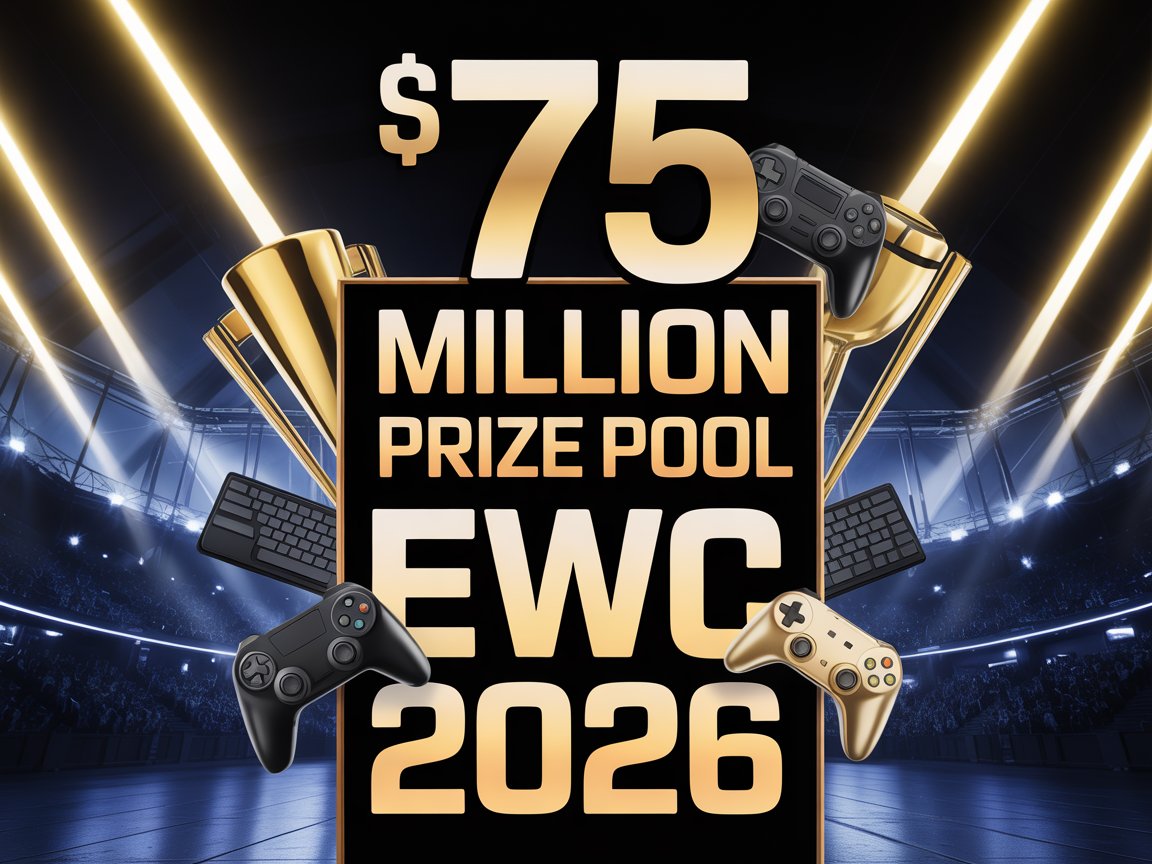
    The Esports World Cup 2026, which will be held in Riyadh, Saudi Arabia from July 6 to August 23, has announced an all‑time high prize pool for the winners. yes, and that is $75 million. can you believe? and people say you are wasting time playing games, I don’t think so anymore.

    24 games are participating in 25 tournaments from 100 countries of the world. Games names are here:

    Official EWC 2026 Titles

    1. VALORANT
    2. Apex Legends Global Series (ALGS Year 6 Split 1 Playoffs)
    3. Dota 2
    4. League of Legends
    5. Free Fire
    6. Mobile Legends: Bang Bang Women’s International
    7. EA Sports FC Pro World Championship
    8. PUBG: Battlegrounds
    9. Teamfight Tactics
    10. Overwatch Champions Series (Midseason Championship)
    11. Call of Duty: Warzone Resurgence Series
    12. Mobile Legends: Bang Bang Mid Season Cup
    13. Street Fighter 6
    14. Call of Duty: Black Ops 7
    15. PUBG Mobile World Cup
    16. Honor of Kings World Cup
    17. Tekken 8
    18. Rocket League
    19. Chess
    20. Rainbow Six Siege X
    21. Counter‑Strike 2
    22. CrossFire
    23. Trackmania
    24. Reload Elite Series Championship

    Prize Distribution EWC 2026

    The Esports World Cup Foundation has allocated $30 million for the Club Championship, $39 million for the Individual Game Championships, and $6 million for Club and Player Rewards. The $30 million Club Championship prize pool will be shared among the top 24 clubs, with the winning team taking home $7 million.

    Further details of tickets availability, matches and events will be revealed soon!

  • Is It Just a Game? The Truth Behind Esports Obsession

    Is It Just a Game? The Truth Behind Esports Obsession

    “Is it just a game?”
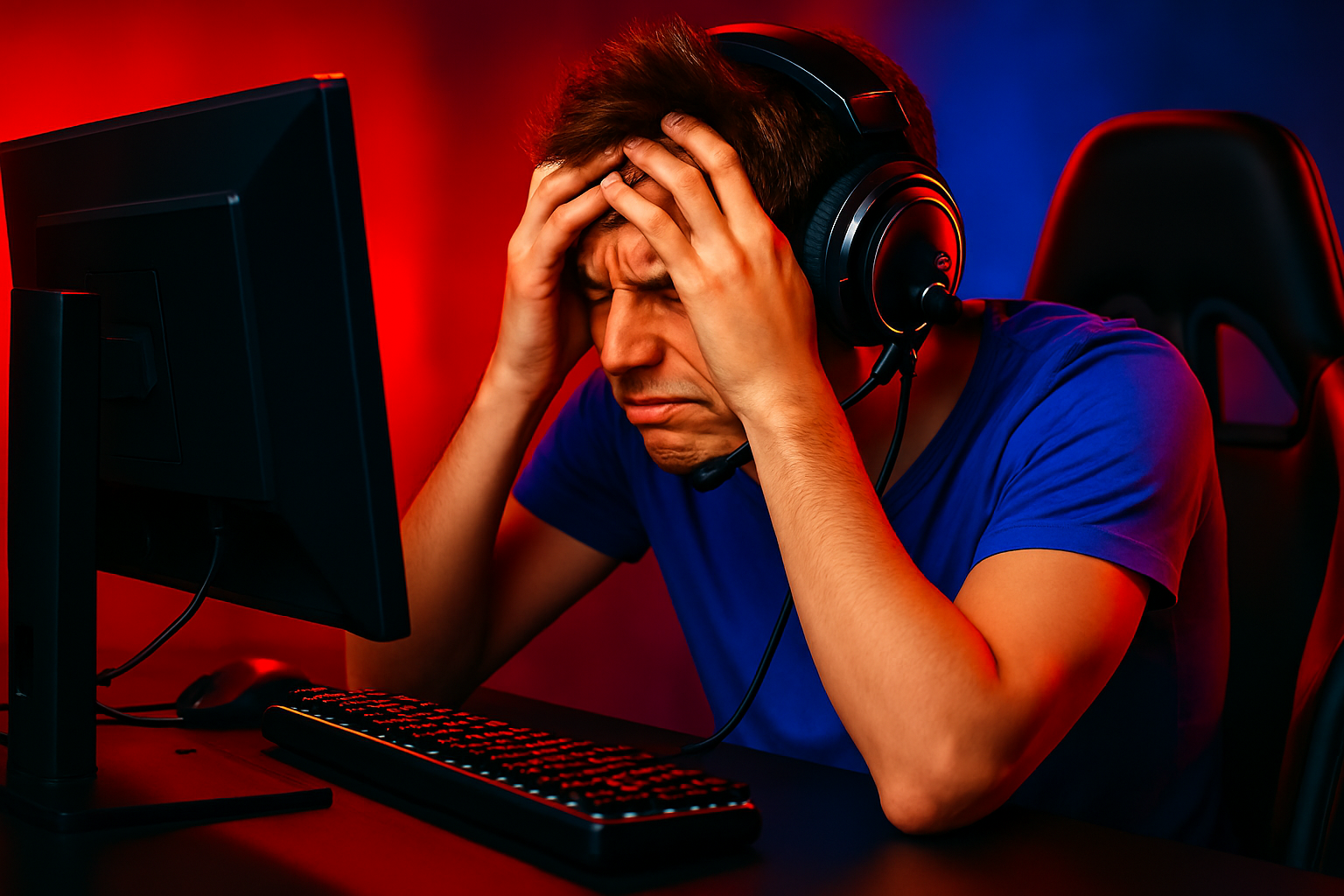
    That’s the question 17-year-old Ali was asked by his parents when they found him playing Valorant at 3 a.m. again. But for Ali—and thousands of esports players like him—it’s not just a game. It’s a career, a passion, and a battlefield of challenges that most outsiders don’t see.

    Welcome to the world of esports, where the stakes are high, the competition fierce, and the pressure relentless. Behind the flashing screens and roaring crowds lies a reality that’s far more complex than most imagine.


    The LAG That Kills Dreams

    Let’s start with something every gamer dreads: lag. Imagine you’re in the final round of a tournament, your team is counting on you, and just as you’re about to make the winning move—your screen freezes. That split-second delay caused by poor internet or server issues can cost players thousands of dollars, sponsorships, and even their reputation.

    For professional esports players, lag isn’t just annoying—it’s a career hazard. Many invest in high-end gear and premium internet plans, but even then, technical glitches can strike at the worst moments.


    Foul Language & Toxicity

    Esports matches are intense. But with intensity often comes toxicity. Players are frequently exposed to foul language, insults, and even threats during matches—especially in online ranked games. While some develop thick skin, others internalize the negativity, which can affect their confidence and mental health.

    Toxic environments also discourage newcomers and can lead to burnout. Many teams now hire psychologists or moderators to help manage team dynamics and online interactions.


    Mental Health: The Silent Opponent

    Esports players face immense psychological pressure. The need to perform consistently, maintain rankings, and meet expectations can lead to anxiety, depression, and burnout. Unlike traditional sports, esports lack structured mental health support in many regions.

    Players often isolate themselves to practice for hours, sacrificing sleep and social interaction. Over time, this isolation can lead to emotional instability and loneliness.


    Eyes on the Prize—But at What Cost?

    Staring at screens for 8–12 hours a day takes a toll. Eye strain, dry eyes, and blurred vision are common among esports athletes. Some report headaches and difficulty focusing on real-world tasks after long gaming sessions.

    Blue light glasses and screen breaks help, but the damage accumulates. Long-term exposure can even lead to deteriorating eyesight, especially in younger players who start training early.


    Parents: The First Boss Level

    Many esports players face parental restrictions. In cultures where academic success is prioritized, gaming is often seen as a distraction or waste of time. Players hide their practice schedules, sneak in matches late at night, and struggle to convince their families that esports is a legitimate career.

    This lack of support can be emotionally draining. Some players give up their dreams entirely due to family pressure, while others push forward in secrecy, adding another layer of stress.


    Muscle Fatigue & Physical Strain

    Esports may not involve running or jumping, but it’s physically demanding. Long hours of sitting and repetitive hand movements lead to wrist pain, backaches, and even carpal tunnel syndrome. Without proper posture and regular exercise, players risk long-term damage to their bodies.

    Some teams now include physiotherapists and fitness routines in their training programs, but many solo players lack access to such resources.


    Addiction & Obsession

    There’s a fine line between dedication and addiction. Esports players often become obsessed with improving their skills, climbing ranks, and staying ahead of the competition. This obsession can lead to unhealthy habits—skipping meals, avoiding sleep, and neglecting relationships.

    Game addiction also affects emotional regulation. Players may become irritable, impulsive, or overly competitive, even outside the gaming world.


    Studies & Social Life: The Forgotten Realms

    Balancing esports with education and social activities is a major challenge. Players often skip classes, miss assignments, or drop out entirely to focus on gaming. While some succeed, many struggle to return to academics if their esports career doesn’t pan out.

    Social life also takes a hit. Friends drift away, relationships suffer, and players find themselves disconnected from the world beyond their screens.


    Behavioral Shifts & Personality Changes

    Constant exposure to competitive environments, toxic chats, and high-pressure situations can lead to behavioral changes. Players may become more aggressive, impatient, or emotionally volatile. Some develop a superiority complex, while others withdraw completely.

    These shifts affect not just the player, but their families, friends, and teammates. Recognizing and addressing these changes early is crucial for long-term well-being.


    So, What’s the Solution?

    Esports is here to stay—and it’s growing fast. But to ensure players thrive, not just survive, we need:

    • Mental health support: Regular counseling and emotional check-ins.
    • Parental education: Helping families understand the esports ecosystem.
    • Physical wellness programs: Including posture training, exercise, and breaks.
    • Academic flexibility: Schools and colleges offering hybrid models for esports athletes.
    • Community building: Safe spaces for players to connect, share, and grow.

    Ali’s story isn’t unique. It’s the story of thousands chasing their dreams in a digital arena filled with both glory and grit. So next time someone says, “It’s just a game,” maybe ask them to play a round under pressure, with lag, a sore wrist, and a crowd watching.

    They might just change their mind.

  • Top 5 Online Games Boys Love in 2025 – Fortnite, PUBG & More

    Top 5 Online Games Boys Love in 2025 – Fortnite, PUBG & More

    Did you know that nearly 53% of boys worldwide play online games? That’s over 2 billion players! From Fortnite and PUBG to Free Fire, Minecraft, and League of Legends, these games have taken the world by storm. With constantly shifting trends and rising engagement, the online gaming universe is expanding every day. Countless hours are spent learning, playing, and winning—and now, people of all ages, backgrounds, and regions are joining in. Most of this surge comes from developed countries where internet speed is unbelievably fast.

    Today, we’re spotlighting five of the most-played games globally—the ones kids just can’t quit, even when their parents scold them!

    online gaming image

    1۔ Fortnite

    · Daily active players: 60 million

    · Registered users: 650 million

    · Player demographics: 90% boys, 62% aged 18–24

    Why it’s famous:

    Launched in 2017, Fortnite shook the gaming world and hasn’t stopped since. Its biggest strength? It’s free—and playable on mobile, laptop, and PlayStation. The game starts with 100 players parachuting onto a storm-ridden island. You build your own fortress using bricks and stones, defend yourself, eliminate enemies, and try not to die. Players can choose from a variety of quirky outfits—one match you’re Spider-Man, the next you’re a dancing banana. Weekly updates, movie-themed characters, and immersive gameplay keep fans hooked. In May, the Star Wars version dropped, letting players live their Jedi dreams—and it was a massive hit.

    2۔ PUBG

    · Daily players: 25 million (plus 50 million in China)

    · Monthly players: 30 million (including China)

    · Registered users: 200 million (mobile only)

    Why it’s famous:

    Also launched in 2017, PUBG throws over 100 players onto an island for a survival showdown. The last one standing wins. While its gameplay resembles Fortnite, PUBG’s graphics are more realistic. Players say the best part isn’t winning “chicken dinner”—it’s making friends through teamwork. The detailed maps and technical features make it both thrilling and easy to play. Originally for PC, its mobile version broke records. Though its popularity dipped due to internet issues and bans in some countries, the 2025 updates by Krafton brought players back—and PUBG is rising again.

    3۔ Free Fire

    · Daily players (Feb 2024): 100 million

    · Monthly players: 54 million

    Why it’s famous:

    Free Fire is a battle royale shooter like Fortnite and PUBG, but it’s designed specifically for mobile users. It’s free, fast-paced, and features short matches. Celebrity collaborations boosted its fame—Cristiano Ronaldo’s “Chrono” character, BTS’s 2022 partnership, and appearances by Justin Bieber and DJ Alok all helped skyrocket its popularity.

    4۔ League of Legends

    · Daily players: 35 million

    · Monthly players: 53.3 million

    · Registered users: Over 180 million

    Why it’s famous:

    Released in 2009, this free PC-based battle game pits two teams of five against each other. Players control “champions” and fight to destroy the enemy base. Though it’s popular, it’s also criticized for its violent content. Revenue comes from selling skins and character upgrades. Despite being over 26 years old, it remains a fan favorite thanks to its mature content and competitive edge. Some players have quit due to performance issues and company policies, but millions still adore it.

    5۔ Minecraft

    · Daily players (2025): 50 million

    · Monthly active users: Over 200 million

    · Registered users: 300 million

    Why it’s famous:

    Unlike the other battle games, Minecraft is a peaceful sandbox experience. Players build their own worlds, protect their homes from “creepers” and “zombies,” and explore freely. It’s available on mobile, PlayStation, and more. Most players are kids aged 3–12, with 54% boys and 46% girls. Half prefer solo play, and 11% of parents play daily with their children. It’s also used for educational purposes—so it’s fun and informative!

    Honorable Mentions: Worth a Try!

    While the top five dominate the charts, a few other games deserve a shoutout for their impact and popularity among boys:

    • Roblox – A universe of mini-games created by users themselves. From obstacle courses to roleplay cities, it’s a playground for imagination and coding. Great for younger players who love variety and creativity.
    • Call of Duty: Mobile – Fast-paced shooting, realistic graphics, and intense multiplayer modes. It’s perfect for boys who crave action and strategy on the go.
    • Valorant – A tactical shooter that blends precision with superpowers. Though more popular among teens and older players, its competitive edge and team-based gameplay make it a rising favorite.

    Personal Take

    Gaming isn’t just a pastime—it’s a universe where every player has a story, a name, and a moment of triumph. I’ve spent more time understanding these games than playing them. Whether it’s Fortnite’s creative chaos or Minecraft’s quiet construction, each game offers something to learn. That’s why these titles aren’t just for boys—they’ve won hearts across all ages.

    So, which game is your favorite? Drop it in the comments below!

    Note: Stats may vary slightly, but this data has been compiled from multiple sources for accuracy.