Category: Esports

  • Who Plays It Better? Gen Z or Millennials

    Who Plays It Better? Gen Z or Millennials

    When it comes to online gaming, two generations dominate the digital battlefield: Gen Z and Millennials. Both have grown up with controllers in hand, but their styles, preferences, and prowess in the gaming world are anything but identical. So, who’s more active? Who’s more skilled? And who’s racking up the most wins? Let’s dive into this generational showdown and find out who truly deserves the crown.

    The Players: Who’s Logging in More?

    Let’s start with the basics—who’s actually playing more?

    • Gen Z (born 1997–2012) is the mobile-first generation. They’ve never known a world without smartphones, high-speed internet, or Twitch streams. According to Newzoo, 81% of Gen Z reported playing video games in the past six months, spending an average of 7 hours and 20 minutes per week gaming.
    • Millennials (born 1981–1996), on the other hand, are the OGs of online gaming. They were there when LAN parties were a thing and when World of Warcraft ruled the world. Surprisingly, Millennials still make up the largest percentage of active gamers today.

    So while Gen Z might be more tech-savvy and socially engaged, Millennials are still clocking in more hours overall. Advantage: Millennials.

    Gaming Styles: Fast-Paced vs Immersive

    Gen Z’s gaming style is all about speed, social interaction, and community. They gravitate toward multiplayer games like Fortnite, Valorant, and PUBG, where quick reflexes and team coordination are key. They’re also more likely to watch gaming streams, engage with content creators, and participate in gaming communities.

    Millennials, however, lean toward immersive single-player experiences. Think Skyrim, GTA, and World of Warcraft. They prefer games with rich narratives and expansive worlds, often investing in expansion packs and gear to enhance their gameplay.

    In short:

    • Gen Z = fast, social, mobile
    • Millennials = deep, strategic, immersive

    Who’s Winning More?

    Now, let’s talk skill. Who’s actually better at gaming?

    This is where things get spicy. Gen Z might not play as frequently as Millennials (only 48% play daily vs 56% of Millennials), but when they do, they go hard—29% of Gen Z play more than 4 hours a day, compared to 23% of Millennials.

    Gen Z also learns differently. They watch streams, study gameplay, and pick up strategies from influencers. They’re more likely to engage in competitive online games and adapt quickly to new mechanics.

    Millennials, meanwhile, rely on experience. They’ve been gaming longer, and many have honed their skills over decades. They may not be as fast, but they’re often more strategic and consistent.

    So who’s winning more? It depends on the game:

    • In fast-paced shooters and battle royales, Gen Z has the edge.
    • In strategy-heavy RPGs and MMOs, Millennials dominate.

    Spending Power: Who’s Investing More?

    Gaming isn’t just about play—it’s also about pay.

    • Millennials are more likely to spend money on games. 48% make in-app purchases, and 50% spend more than $10 per month.
    • Gen Z is more cautious with their wallets. Only 41% make in-app purchases, and just 35% spend over $10 monthly.

    Millennials also tend to invest in game expansions and gear, while Gen Z prefers buying playable characters and cosmetic items.

    So when it comes to supporting the industry financially, Millennials are the MVPs.

    Platform Wars: Console vs Mobile

    Another key difference? The platforms they prefer.

    • Gen Z is mobile-first. 77% prefer gaming on mobile devices, and they’re more likely to play on-the-go.
    • Millennials are more platform-agnostic, playing across PC, console, and mobile—but they still have a soft spot for traditional setups.

    Interestingly, Gen Z males lean toward console games and action/fighter genres, while Gen Z females prefer casual mobile games like Match 3 and puzzles.

    Mindset Matters: Why They Game

    The motivations behind gaming also differ.

    • Gen Z plays to relax, socialize, and escape stress. They see gaming as part of their identity and social life.
    • Millennials play for challenge and immersion. They value gameplay depth and storylines more than social features.

    This difference shapes how each generation approaches gaming—and how they define success.

    Absolutely—let’s round it out with a compelling eighth difference:

    Content Creation vs Content Consumption

    • Gen Z is the creator generation. They’re not just watching gameplay—they’re streaming it, clipping highlights, making memes, and building entire personas around gaming. Platforms like TikTok, Twitch, and YouTube Shorts are their playgrounds for sharing bite-sized, viral gaming moments. Many aspire to be influencers or esports stars, and they treat gaming as a launchpad for digital fame.
    • Millennials, on the other hand, are more likely to be content consumers. They enjoy long-form Let’s Plays, deep-dive reviews, and community forums. While some do stream or create, they generally engage with content to learn, relax, or connect with nostalgia—less about going viral, more about meaningful engagement.

    This difference reflects a broader generational shift: Gen Z sees gaming as a stage, while Millennials see it as a sanctuary.

    Verdict: Who’s the Real Gaming Champion?

    So, who wins the generational gaming war?

    • Most active? Millennials.
    • Most socially engaged? Gen Z.
    • Most skilled? It’s a tie—depends on the genre.
    • Most financially invested? Millennials.
    • Most future-ready? Gen Z.

    In the end, it’s not about who’s better—it’s about how each generation is redefining gaming in their own way. Gen Z is pushing the boundaries of social gaming, streaming, and mobile play. Millennials are keeping the flame alive for immersive storytelling and strategic depth.

    Together, they’re shaping the future of online gaming—and it’s looking epic.

    For More Similar Read: 👇

  • 8 Game-Changing Esports Trends You Need to Know

    8 Game-Changing Esports Trends You Need to Know

    Esports isn’t just evolving, it is actually rewriting the entire rulebook of entertainment, tech, and culture. What started as LAN parties and pixelated bragging rights has exploded into a billion-dollar global phenomenon. And if you think we’ve peaked, think again. The next decade is going to be wild.

    Massive LAN party at DreamHack 2004 showing rows of gamers at desktop computers in a packed indoor venue, highlighting early esports culture and community gaming.

    Here are eight esports trends that are already reshaping the game and will keep doing so for years to come.


    1. AI Coaches & Smart Training Tools

    Let’s be real, pro gamers are like digital athletes. They grind hard, need solid game sense, and smart plays. That’s where AI steps in.

    Now we’ve got bots that watch your gameplay, call out your weak spots, and even say stuff like, “Yo, don’t peek that corner, you’ll get wrecked.” It’s wild.

    These AI tools help you aim better, think faster, and play smarter. Some even build fake enemies just to mess with your bad habits. Harsh? Yep. But it works.

    If you wanna level up, AI’s your new coach. No cap.


    2. VR Esports & Immersive Arenas

    Virtual reality is no longer just for Beat Saber and tech demos. It’s creeping into competitive gaming, and it’s got serious potential.

    VR esports are still in their infancy, but titles like Echo Arena and Blaston are proving that full-body gameplay can be just as intense and way more immersive than keyboard and mouse. As hardware gets cheaper and more portable, expect VR tournaments to become a staple.

    And for spectators? Think virtual stadiums where you can walk around, choose your camera angle, and even interact with other fans. It’s like Twitch meets the Metaverse.


    8 trends of esports infographics

    3. Mobile Esports Taking Over

    If you’re still sleeping on mobile esports, wake up. Games like PUBG Mobile, Free Fire, and Mobile Legends are dominating viewership and prize pools, especially in regions like Southeast Asia, Latin America, and the Middle East.

    Why? Accessibility. Not everyone has a gaming PC, but almost everyone has a smartphone. Mobile esports have revolutionized competitive gaming by making it more accessible to everyone and the skill ceiling is impressively high.

    Expect more publishers to optimize their games for mobile, and more tournaments to go mobile-first. The future isn’t just portable, it’s pocket-sized.


    4. Esports Betting & Micro-Wagering

    This one’s a bit controversial, but it’s growing fast. Esports betting is becoming a massive industry, with fans placing wagers on match outcomes, player stats, and even in-game events like “first blood” or “next kill.”

    Micro-wagering, betting on tiny moments in real time is especially hot. It adds a layer of excitement for viewers and opens up new revenue streams for platforms.

    Of course, regulation is key. But if done right, esports betting could become as mainstream as fantasy football or March Madness brackets.


    5. Fan-Driven Content & Community Casting

    Gone are the days when only official broadcasters had the mic. Now, fans are the commentators, analysts, and entertainers.

    Community casting is blowing up, with streamers and creators offering their own takes on matches, player drama, and game updates. Platforms like YouTube and Twitch are rewarding these creators with monetization tools, sponsorships, and visibility.

    In the next decade, expect fan-driven content to rival traditional broadcasts and maybe even replace them. The power is shifting to the people.


    6. Gamification of Esports Platforms

    Do you know about gamification? Whether you’re an esports player or an avid fan, gamification is made for you.

    Let me explain! Gamification means making something feel like a game, even if it’s not. Esports platforms are using this idea to make watching and following esports more fun and interactive.

    Instead of just sitting and watching matches, fans can now earn points, unlock rewards, and climb leaderboards by doing things like predicting who will win, watching games live, or joining challenges. It’s kind of like turning the whole experience into a mini-game for the fans. This keeps people excited and coming back, because they feel more involved and rewarded for their time. Think of it like fantasy sports or a battle pass but for esports viewing.

    That’s the idea behind gamification. Esports platforms are adding missions, leaderboards, and loyalty rewards to keep fans engaged. Watch a match, earn points. Predict a winner, unlock skins. It’s like fantasy sports meet battle pass.

    This trend is all about turning passive viewers into active participants. And it’s working.


    7. Women in Esports: The Rise Continues

    Let’s be real, esports has had a gender gap. But that’s changing fast.

    More women are competing, streaming, and leading in esports than ever before. In Brazil, female participation jumped from 15% to 25% in just a few years. Tournaments like Valorant Game Changers and Girl Gamer Festival are spotlighting female talent and breaking stereotypes.

    Brands are also stepping up, sponsoring women-led teams and creating inclusive campaigns. The next decade will be about equity, representation, and rewriting the narrative.


    8. Esports as a Cultural Movement

    Esports is more than just gaming; it’s starting to shape things like fashion and education too.

    Streetwear brands are collaborating with teams. Universities are offering esports scholarships. Even the Olympics are flirting with the idea of including esports as a medal event.

    In places like Saudi Arabia and South Korea, esports is part of national strategy. It’s not just entertainment, its identity, economy, and innovation rolled into one.


    Final Thoughts: The Game Has Just Begun

    Esports is growing faster than any other entertainment medium. It’s not just about who wins the match, it’s also about who shapes the future. Whether you’re a player, fan, creator, or investor, now’s the time to get involved.

    Because in the next decade, esports won’t just be a trend, it’ll be the culture.

    For Similar Read:

  • Women gamer’s Contribution in the Esports World

    Women gamer’s Contribution in the Esports World

    Why do we hardly know women’s names in esports rosters? Is it because women have little interest in competitive gaming, or are they simply not being acknowledged?

    Discover how female gamers are transforming esports, explore global teams, top streamers, tournament wins, and the future of women in competitive gaming in this article.

    The Rise of Women in Esports

    Women are definitely showing up on the esports world stage, but their numbers are still far too low. Even so, let me highlight a few names who are making waves and changing the tide.

    StarCraft is a notoriously tough game, not everyone can lay a finger on it, and you know when women choose a path it is not easy one at all. As a teenager growing up in Kingston, Ontario, Sasha Hostyn began her journey into competitive StarCraft II, eventually becoming one of the most accomplished women in esports.

    By 2018, Sasha, now known globally as “Scarlett,” would make history by winning IEM PyeongChang against South Korean pro- Kim “sOs” Yoo Jin, becoming the first woman to claim a major title in one of esports’ most demanding strategy games.

    Scarlett’s victory proves that whether it’s tackling everyday challenges or mastering one of the toughest games in the world, gender is not a barrier. With critical thinking, sharp skills, and unwavering determination, anyone can rise to the top.

    Victory is for Anyone who is BEST

    Girls earn accolades when they prove themselves among the best. The Terror Queens of Myanmar secured 3rd place at the Esports World Cup 2025 in Mobile Legends: Bang Bang, taking home a $50,000 prize and capturing attention from around the world.

    In France, Team Vitality’s female squad swept the finals 4–0, taking home $150,000 and proving that European women can compete at the very highest level.

    These weren’t isolated stories. From LATAM’s DreamMax Girls to WAOW GG Esports from Africa, slowly but steadily they will definitely reach the top.


    Skill Over Stereotypes

    copilot 20250912 104513

    Despite making up 46% of the global gaming population, women represent only 8% of professional esports players. The gap isn’t due to lack of talent, it’s systemic. Many female players face harassment, underrepresentation, and limited access to sponsorships. Yet they persist.

    In VALORANT, players like Melanie “meL” Capone and Alexis “alexis” Guarrasi have each made over $130,000 by leading their teams in tough Game Changers tournaments. Their success shows that tactical shooter games aren’t just for guys, these women are proving they can compete also.

    Streaming as a Stage

    While some women battle in tournaments, others build empires on platforms like Twitch. Pokimane, with over 9 million followers, has become one of the most recognizable faces in gaming. Her streams blend gameplay, commentary, and community, showing that influence in esports isn’t limited to the scoreboard.

    Others like Loeya, KittyPlays, and AriGameplays have carved out niches in Fortnite, PUBG, and GTA V, attracting millions of fans and lucrative sponsorships. These women are entrepreneurs, entertainers, and cultural icons all at the same time.

    The EWC 2025: A Turning Point

    The Mobile Legends: Bang Bang Women’s Invitational at EWC 2025 was a classic tournament. With 16 teams from regions including Türkiye, Mongolia, China, and Africa, it showcased the global reach of female esports.

    Team NameCountry/RegionPlacementPrize Won
    Team VitalityFrance 🇫🇷1st Place$150,000
    Gaimin GladiatorsUSA 🇺🇸2nd Place$90,000
    Terror QueensMyanmar 🇲🇲3rd Place$50,000
    WAOW GG EsportsAfrica Top 16$10,000

    For many of these players, it was their first time playing on a big international stage. For the fans watching, it felt like a sneak peek into the future of esports.

    Sponsors Are Watching

    Many sponsors are getting involved in women’s esports and it’s not just to be seen. Female teams bring loyal fans, new audiences and real stories that people connect with. These players stand for things that matter strength, creativity, and determination. That’s exactly the kind of energy brands want to support.

    What Comes Next

    The path forward needs more advancement. Mixed-gender competitions, better funding, and safer online spaces are essential. Initiatives like VCT Game Changers, ESL Impact, and the GirlGamer Festival are laying the groundwork.

    And as more girls see players like Scarlett, Liooon, and the Terror Queens succeed, they’ll know that esports is a career for them also.

    Conclusion: Pioneers in Esports

    These women aren’t just showing up, they’re actually setting new standards. From Scarlett’s strategic dominance in StarCraft to Team Vitality’s clean sweep in the finals, their performances speak for themselves: they’ve earned their place.

    The conversation isn’t about whether women can compete with men, they’ve already proven that. The real challenge is whether the industry and its audiences are ready to recognize and support them fully.

    For Similar Read:

  • Is It Just a Game? The Truth Behind Esports Obsession

    Is It Just a Game? The Truth Behind Esports Obsession

    “Is it just a game?”
    That’s the question 17-year-old Ali was asked by his parents when they found him playing Valorant at 3 a.m. again. But for Ali—and thousands of esports players like him—it’s not just a game. It’s a career, a passion, and a battlefield of challenges that most outsiders don’t see.

    Welcome to the world of esports, where the stakes are high, the competition fierce, and the pressure relentless. Behind the flashing screens and roaring crowds lies a reality that’s far more complex than most imagine.


    The LAG That Kills Dreams

    Let’s start with something every gamer dreads: lag. Imagine you’re in the final round of a tournament, your team is counting on you, and just as you’re about to make the winning move—your screen freezes. That split-second delay caused by poor internet or server issues can cost players thousands of dollars, sponsorships, and even their reputation.

    For professional esports players, lag isn’t just annoying—it’s a career hazard. Many invest in high-end gear and premium internet plans, but even then, technical glitches can strike at the worst moments.


    Foul Language & Toxicity

    Esports matches are intense. But with intensity often comes toxicity. Players are frequently exposed to foul language, insults, and even threats during matches—especially in online ranked games. While some develop thick skin, others internalize the negativity, which can affect their confidence and mental health.

    Toxic environments also discourage newcomers and can lead to burnout. Many teams now hire psychologists or moderators to help manage team dynamics and online interactions.


    Mental Health: The Silent Opponent

    Esports players face immense psychological pressure. The need to perform consistently, maintain rankings, and meet expectations can lead to anxiety, depression, and burnout. Unlike traditional sports, esports lack structured mental health support in many regions.

    Players often isolate themselves to practice for hours, sacrificing sleep and social interaction. Over time, this isolation can lead to emotional instability and loneliness.


    Eyes on the Prize—But at What Cost?

    Staring at screens for 8–12 hours a day takes a toll. Eye strain, dry eyes, and blurred vision are common among esports athletes. Some report headaches and difficulty focusing on real-world tasks after long gaming sessions.

    Blue light glasses and screen breaks help, but the damage accumulates. Long-term exposure can even lead to deteriorating eyesight, especially in younger players who start training early.


    Parents: The First Boss Level

    Many esports players face parental restrictions. In cultures where academic success is prioritized, gaming is often seen as a distraction or waste of time. Players hide their practice schedules, sneak in matches late at night, and struggle to convince their families that esports is a legitimate career.

    This lack of support can be emotionally draining. Some players give up their dreams entirely due to family pressure, while others push forward in secrecy, adding another layer of stress.


    Muscle Fatigue & Physical Strain

    Esports may not involve running or jumping, but it’s physically demanding. Long hours of sitting and repetitive hand movements lead to wrist pain, backaches, and even carpal tunnel syndrome. Without proper posture and regular exercise, players risk long-term damage to their bodies.

    Some teams now include physiotherapists and fitness routines in their training programs, but many solo players lack access to such resources.


    Addiction & Obsession

    There’s a fine line between dedication and addiction. Esports players often become obsessed with improving their skills, climbing ranks, and staying ahead of the competition. This obsession can lead to unhealthy habits—skipping meals, avoiding sleep, and neglecting relationships.

    Game addiction also affects emotional regulation. Players may become irritable, impulsive, or overly competitive, even outside the gaming world.


    Studies & Social Life: The Forgotten Realms

    Balancing esports with education and social activities is a major challenge. Players often skip classes, miss assignments, or drop out entirely to focus on gaming. While some succeed, many struggle to return to academics if their esports career doesn’t pan out.

    Social life also takes a hit. Friends drift away, relationships suffer, and players find themselves disconnected from the world beyond their screens.


    Behavioral Shifts & Personality Changes

    Constant exposure to competitive environments, toxic chats, and high-pressure situations can lead to behavioral changes. Players may become more aggressive, impatient, or emotionally volatile. Some develop a superiority complex, while others withdraw completely.

    These shifts affect not just the player, but their families, friends, and teammates. Recognizing and addressing these changes early is crucial for long-term well-being.


    So, What’s the Solution?

    Esports is here to stay—and it’s growing fast. But to ensure players thrive, not just survive, we need:

    • Mental health support: Regular counseling and emotional check-ins.
    • Parental education: Helping families understand the esports ecosystem.
    • Physical wellness programs: Including posture training, exercise, and breaks.
    • Academic flexibility: Schools and colleges offering hybrid models for esports athletes.
    • Community building: Safe spaces for players to connect, share, and grow.

    Ali’s story isn’t unique. It’s the story of thousands chasing their dreams in a digital arena filled with both glory and grit. So next time someone says, “It’s just a game,” maybe ask them to play a round under pressure, with lag, a sore wrist, and a crowd watching.

    They might just change their mind.

  • Why PUBG Mobile, Free Fire & COD Mobile Were Banned in These Countries?

    Why PUBG Mobile, Free Fire & COD Mobile Were Banned in These Countries?

    Mobile games like PUBG Mobile, Call of Duty: Mobile, and Free Fire have been banned in multiple countries—not just for gameplay, but for deeper issues like addiction, data privacy, and national security. In this article, we explore why these global hits faced sudden bans and what it means for gamers worldwide.

    In July 2020, the Pakistan Telecommunication Authority (PTA) suspended PUBG after receiving complaints that it was addictive, a waste of time, and harmful to the mental and physical health of young players. The ban was also linked to tragic incidents, including suicides reportedly connected to excessive gameplay.

    Not just Pakistan, many countries around the globe put a ban on these games for multiple issues. we will talk particularly about PUBG Mobile, Call of DUTY: Mobile and Free Fire.

    Mobile games like PUBG Mobile, Call of Duty: Mobile, and Free Fire weren’t just global sensations—they were cultural phenomena. But despite their massive fanbases, these titles faced sudden bans in multiple countries. Why? It wasn’t just about gameplay. From national security concerns to data privacy scandals, and even loot box controversies, governments pulled the plug in ways that left players stunned.

    online games banned

    Countries That Banned These Mobile Games

    India

    India has banned PUBG Mobile and Free Fire in 2020 and 2022 respectively. But Let COD stay in the market.

    Pakistan

    Pakistan has banned PUBG in 2020 Temporarily and lifted it later. it’s in the market now and its first PUBG Mobile team has reached EWC and secured 7th position overall. Free Fire is being criticized for creating mental health issues but not banned at all.

    China

    when PUBG came into the market, China has banned it immediately for violating National values of the country then after measuring the potential of China’s market, makers replaced the game with modifying the version into “Game for Peace” and that’s it. Game is now not officially banned and have a powerhouse in China.

    Iraq

    Iraq banned PUBG in 2019 and lifted in 2024.

    Belgium

    Call of Duty is banned in Belgium and PUBG faced restrictions regarding loot box also.

    let’s talk about every game one by one:

    1. PUBG Mobile — Data, Violence, and Addiction Concerns

    Key Ban Triggers:

    • Data Privacy & National Security: In countries like India, PUBG Mobile was banned over concerns that user data could be accessed by foreign entities due to its links with Tencent.
    • Youth Addiction & Mental Health: Reports of excessive playtime, poor academic performance, and even tragic incidents linked to compulsive gaming fueled public pressure.
    • Violence & Cultural Sensitivity: Critics argued the game promoted aggressive behavior, prompting some governments to impose restrictions or “health reminders.”
    • Loot-Box & Gambling Laws: Its crate and lucky-draw systems were scrutinized under gambling regulations in certain regions.

    2. Call of Duty: Mobile — Cheating, Spoofing, and Policy Violations

    • Key Ban Triggers:
    • Cheating & Third-Party Tools: Use of aimbots, wallhacks, and unauthorized overlays led to permanent bans.
    • VPN & Location Spoofing: Some players used VPNs to access easier “bot lobbies” or bypass regional restrictions, which Activision treats as a spoofing violation.
    • Unauthorized Purchases: Buying in-game currency or items from unofficial channels can trigger account suspensions.
    • Fair Play Enforcement: Activision maintains a zero-tolerance policy, applying penalties regardless of who was playing on the account at the time.

    3. Free Fire — Anti-Hack Enforcement and Data Security Scrutiny

    • Key Ban Triggers:
    • Hacks & Modified Clients: Garena enforces a strict zero-tolerance policy against cheats like wallhacks, speed hacks, and aim assists.
    • Unauthorized Tools & Exploits: Using non-official programs, exploiting glitches, or bypassing anti-hack systems results in permanent bans.
    • Mass Reports & Abnormal Gameplay: Accounts flagged by multiple players and detected for suspicious activity are often suspended.
    • Data Privacy & National Security: In India’s 2022 ban, Free Fire was among apps flagged for potential data risks due to foreign ties.

    What These Bans Really Mean for the Gaming World?

    The bans on PUBG Mobile, Call of Duty: Mobile, and Free Fire weren’t just about blocking access to games—they were a wake-up call. Governments, parents, and educators began to realize that mobile games weren’t just digital distractions. They were immersive worlds that could shape behavior, influence emotions, and even impact national security.

    For players, these bans sparked frustration and confusion. Many felt punished for the actions of a few, while others began to reflect on their own gaming habits. For developers, it was a signal to rethink how games are built, marketed, and regulated. Suddenly, terms like “data sovereignty,” “loot box ethics,” and “digital addiction” became part of everyday conversations.

    And yet, despite the bans, these games continue to evolve. PUBG returned to India as BGMI (Battlegrounds Mobile India) with modified servers and policies. Free Fire launched Free Fire MAX, aiming to rebuild trust. Call of Duty: Mobile remains active in most regions but faces ongoing scrutiny over fair play and monetization.

    A Global Shift in Gaming Awareness

    What we’re witnessing isn’t just a crackdown—it’s a cultural shift. Countries are now asking:

    • Who controls our data?
    • How do we protect young minds from digital burnout?
    • Should virtual rewards be regulated like gambling?
    • Can games promote peace instead of violence?

    These questions don’t have easy answers. But they’re shaping the future of mobile gaming, especially in regions like South Asia, where esports is booming and youth engagement is high.

    Final Thought

    As we continue to explore the world of esports, it’s important to celebrate the creativity and community these games bring—but also to stay aware of the risks. The stories of addiction, tragedy, and policy battles remind us that gaming is powerful. And with great power comes the need for responsibility, regulation, and reflection. Stay Save!

    For Similar Read:

  • 3 Mobile games with the Biggest Prize Pool

    3 Mobile games with the Biggest Prize Pool

    Prize pools worth millions have transformed three mobile titles—PUBG Mobile, Mobile Legends: Bang Bang, and Honor of Kings—from simple time-pass games into global esports giants. What began as casual matches on tiny screens has evolved into roaring stadiums, record-breaking tournaments, and players rising to international stardom.

    These games didn’t just grow—they shattered expectations. Their tournaments—PMGC, MSC, and KWC—proved that mobile esports aren’t just real… they’re revolutionary.

    If you are interested to know then dive deep with us!

    games with biggest prize pool in tournament (1)

    Back Story

    Around 2016–2018, the mainstream esports world was dominated by PC and console titles like CS: GO, Dota 2, League of Legends, and Call of Duty. Mobile games were often seen as casual distractions, not serious competitive platforms. Even within gaming communities, mobile players were sometimes mocked as “not real gamers.

    Here’s what that dismissal looked like:

    • Esports gatekeeping: Many tournament organizers and sponsors focused only on PC/console titles, assuming mobile games lacked depth or skill.
    • Tech limitations: Earlier mobile devices couldn’t support high-performance gaming, so mobile esports were seen as low-tier.
    • Regional bias: Western markets didn’t embrace mobile esports early on, while Asia and Latin America quietly built massive player bases.
    • Community skepticism: Forums and Reddit threads often questioned whether mobile games could ever be “legit esports.”

    But then came the turning point—massive downloads, high-skill gameplay, and millions of viewers. PUBG Mobile, Mobile Legends, and Honor of Kings flipped the narrative. Their tournaments proved that mobile esports could be just as intense, strategic, and culturally powerful as any PC title.

    Let me tell you how these three mobile gaming spectacles—PUBG Mobile’s World Championships, Mobile Legends’ Southeast Asia Cup (MSC), and Honor of Kings’ World Champion Cup (KWC)—grew from humble beginnings into events with jaw-dropping prize pools, mass appeal, and real‐world fame.

    PUBG Mobile World Championships

    In early 2019, PUBG Mobile quietly rolled out its first global tournaments. Back then, a few passionate pro teams battled for bragging rights and a modest six-figure purse. But underneath the scenes, PUBG’s maker, Krafton, spotted a gold mine: more than a billion downloads, millions playing every day, and live streams drawing tens of thousands.

    By the 2021 Global Championship, Krafton teamed up with giant sponsors—car makers, energy drinks, tech brands—injecting a record $6 million into the prize pool. Suddenly, professional PUBG Mobile players were earning more than many PC esports pros. Viewers swelled into the tens of millions, and major sports channels in South Korea and India even ran highlight reels on TV. When the dust settled, PUBG Mobile had cemented itself as the biggest mobile-only esport on earth.

    Mobile Legends: Southeast Asia Cup (MSC)

    Back in 2017, Mobile Legends: Bang Bang was just one of many mobile MOBA experiments. But in Southeast Asia—Malaysia, Indonesia, the Philippines—the game exploded. Fans packed internet cafés and stadiums alike to cheer on local heroes. Seeing this passion, developer Moonton launched the MSC in 2018 with a $100,000 prize pool.

    Year after year, the MSC prize grew—half a million, then three-quarters, then crossing the $1 million mark by 2023. Why? Because Southeast Asia’s mobile-gaming community rallied behind it: celebrities streamed it on social media, Telco companies sponsored local qualifiers, and government sports bodies even included it in national e-games festivals. Today MSC finals fill 10,000-seat arenas, trend on Twitter region-wide, and have turned school-yard prodigies into social media stars overnight.

    Honor of Kings: World Champion Cup (KWC)

    Right next door in China, Tencent’s Honor of Kings quietly set daily active user records that rival Facebook. In 2019, its first international showdown—the World Champion Cup (KWC)—offered a prize pool of ¥10 million (around $1.5 million USD). But that was just the beginning. By 2022, the newly branded International Championship raised the stakes to a staggering $10 million USD, making it the richest mobile esports tournament in history. With viewership soaring across platforms like Bilibili and Douyin, Honor of Kings proved it wasn’t just a game—it was a national spectacle.

    Why so rich? Honor of Kings was more than a game—it became a cultural icon. University esports leagues embraced its logo, and Chinese sports commissions granted pro players athletic status for international travel. The KWC finale streamed across platforms like Bilibili, Douyin, and national TV, with viewership estimates soaring past 100 million. Winning the KWC is now seen as a national achievement—celebrated with the same pride as Olympic gold in parts of China.

    Why Such Massive Prize Pools?

    • Massive Player Bases: Each title boasts hundreds of millions of installs and millions of daily users.
    • Developer Investment: Tencent and Krafton treat these games like national sports, pouring in sponsor deals and broadcast rights.
    • Regional Passion: In China and Southeast Asia, mobile gaming is mainstream leisure—local celebs, telcos, even schools jump on board.
    • Media & Sponsors: From car makers and beverage brands to national TV networks, everyone wants a piece of the explosive mobile-esports boom.

    These factors combined to turn once-small contests into multimillion-dollar spectacles. And with every new season, more eyes tune in, more brands buy in, and the winner’s circle becomes even sweeter—proof that mobile esports have truly gone global.

    What’s next?

    Beyond prize money, these series are carving paths to stadium shows, franchised leagues, and even talks with traditional sports bodies. Soon, we’ll see mobile-esports athletes honored alongside cricket legends and football stars—another sign that the mobile revolution is just beginning.

    For More Similar Reads:

  • Top 5 Online Games Boys Love in 2025 – Fortnite, PUBG & More

    Top 5 Online Games Boys Love in 2025 – Fortnite, PUBG & More

    Did you know that nearly 53% of boys worldwide play online games? That’s over 2 billion players! From Fortnite and PUBG to Free Fire, Minecraft, and League of Legends, these games have taken the world by storm. With constantly shifting trends and rising engagement, the online gaming universe is expanding every day. Countless hours are spent learning, playing, and winning—and now, people of all ages, backgrounds, and regions are joining in. Most of this surge comes from developed countries where internet speed is unbelievably fast.

    Today, we’re spotlighting five of the most-played games globally—the ones kids just can’t quit, even when their parents scold them!

    online gaming image

    1۔ Fortnite

    · Daily active players: 60 million

    · Registered users: 650 million

    · Player demographics: 90% boys, 62% aged 18–24

    Why it’s famous:

    Launched in 2017, Fortnite shook the gaming world and hasn’t stopped since. Its biggest strength? It’s free—and playable on mobile, laptop, and PlayStation. The game starts with 100 players parachuting onto a storm-ridden island. You build your own fortress using bricks and stones, defend yourself, eliminate enemies, and try not to die. Players can choose from a variety of quirky outfits—one match you’re Spider-Man, the next you’re a dancing banana. Weekly updates, movie-themed characters, and immersive gameplay keep fans hooked. In May, the Star Wars version dropped, letting players live their Jedi dreams—and it was a massive hit.

    2۔ PUBG

    · Daily players: 25 million (plus 50 million in China)

    · Monthly players: 30 million (including China)

    · Registered users: 200 million (mobile only)

    Why it’s famous:

    Also launched in 2017, PUBG throws over 100 players onto an island for a survival showdown. The last one standing wins. While its gameplay resembles Fortnite, PUBG’s graphics are more realistic. Players say the best part isn’t winning “chicken dinner”—it’s making friends through teamwork. The detailed maps and technical features make it both thrilling and easy to play. Originally for PC, its mobile version broke records. Though its popularity dipped due to internet issues and bans in some countries, the 2025 updates by Krafton brought players back—and PUBG is rising again.

    3۔ Free Fire

    · Daily players (Feb 2024): 100 million

    · Monthly players: 54 million

    Why it’s famous:

    Free Fire is a battle royale shooter like Fortnite and PUBG, but it’s designed specifically for mobile users. It’s free, fast-paced, and features short matches. Celebrity collaborations boosted its fame—Cristiano Ronaldo’s “Chrono” character, BTS’s 2022 partnership, and appearances by Justin Bieber and DJ Alok all helped skyrocket its popularity.

    4۔ League of Legends

    · Daily players: 35 million

    · Monthly players: 53.3 million

    · Registered users: Over 180 million

    Why it’s famous:

    Released in 2009, this free PC-based battle game pits two teams of five against each other. Players control “champions” and fight to destroy the enemy base. Though it’s popular, it’s also criticized for its violent content. Revenue comes from selling skins and character upgrades. Despite being over 26 years old, it remains a fan favorite thanks to its mature content and competitive edge. Some players have quit due to performance issues and company policies, but millions still adore it.

    5۔ Minecraft

    · Daily players (2025): 50 million

    · Monthly active users: Over 200 million

    · Registered users: 300 million

    Why it’s famous:

    Unlike the other battle games, Minecraft is a peaceful sandbox experience. Players build their own worlds, protect their homes from “creepers” and “zombies,” and explore freely. It’s available on mobile, PlayStation, and more. Most players are kids aged 3–12, with 54% boys and 46% girls. Half prefer solo play, and 11% of parents play daily with their children. It’s also used for educational purposes—so it’s fun and informative!

    Honorable Mentions: Worth a Try!

    While the top five dominate the charts, a few other games deserve a shoutout for their impact and popularity among boys:

    • Roblox – A universe of mini-games created by users themselves. From obstacle courses to roleplay cities, it’s a playground for imagination and coding. Great for younger players who love variety and creativity.
    • Call of Duty: Mobile – Fast-paced shooting, realistic graphics, and intense multiplayer modes. It’s perfect for boys who crave action and strategy on the go.
    • Valorant – A tactical shooter that blends precision with superpowers. Though more popular among teens and older players, its competitive edge and team-based gameplay make it a rising favorite.

    Personal Take

    Gaming isn’t just a pastime—it’s a universe where every player has a story, a name, and a moment of triumph. I’ve spent more time understanding these games than playing them. Whether it’s Fortnite’s creative chaos or Minecraft’s quiet construction, each game offers something to learn. That’s why these titles aren’t just for boys—they’ve won hearts across all ages.

    So, which game is your favorite? Drop it in the comments below!

    Note: Stats may vary slightly, but this data has been compiled from multiple sources for accuracy.

  • 4Thrives: Pakistan’s First-ever PUBG mobile team to reach EWC

    4Thrives: Pakistan’s First-ever PUBG mobile team to reach EWC

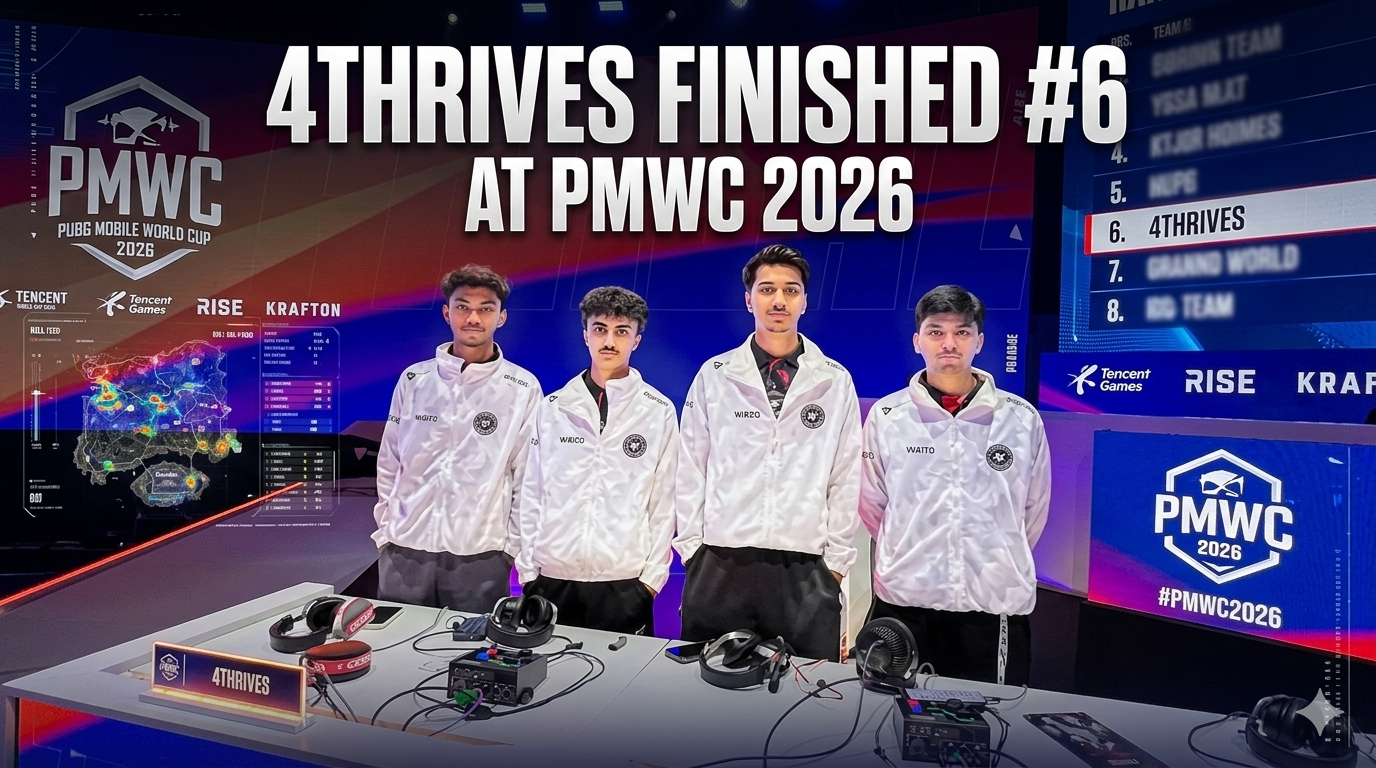
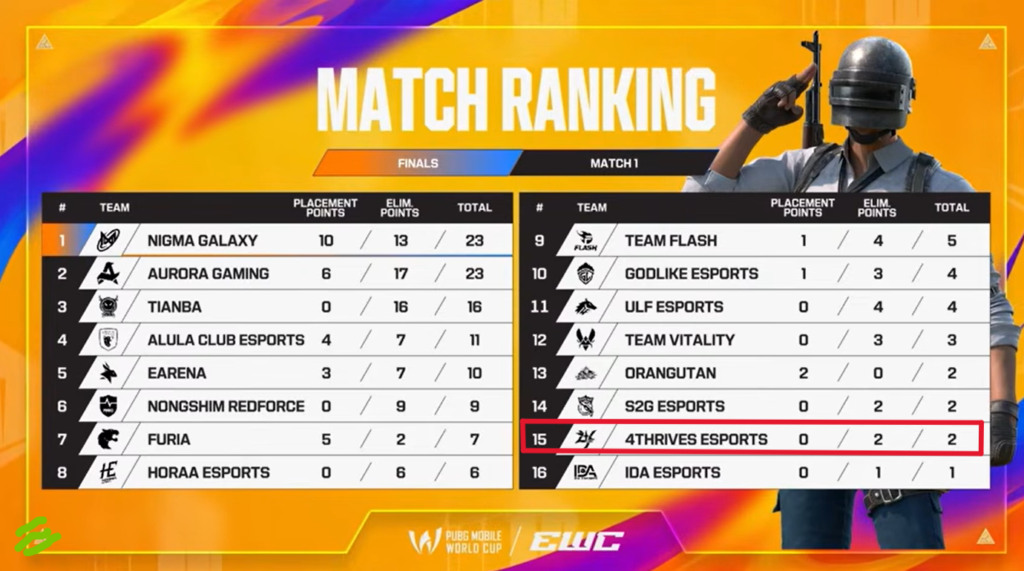
    In August 2025, under the blazing lights of Riyadh’s esports arena, EWC with the biggest and highest prize pool was Helding up and five young men from Pakistan competed side by side, carrying the hopes of a growing gaming community. 4Thrives Esports, a self-managed PUBG Mobile team with no sponsors and no bootcamp, had made it to the Grand Finals of the PUBG Mobile World Cup (PMWC). And they didn’t just show up—they finished 7th out of 24 global teams, earning $157,000 USD and rewriting the story of Pakistani esports.

    participating in an esport tournament (1)

    This wasn’t just a tournament. It was a test of grit, loyalty, and leadership. And at the heart of it all stood Falak Sher, the team’s captain and owner, whose quiet resolve became the backbone of their success.

    From Raw Beginnings to Riyadh’s Grand Stage

    4Thrives Esports was formed on December 1, 2024, not in a corporate office or gaming house—but through WhatsApp calls, shared dreams, and relentless practice. Their manager, Usman “Shaheen” Tariq, handpicked players based on synergy, not fame. The final lineup:

    • Falak Sher “FALAK” – Captain & Owner
    • Sameer “Nocki” Khan – Support
    • Hasnain “T24OP” Rehman – Scout
    • Niash “CAIRO” Hassan – Sniper
    • Shayan “IQ” Asad – IGL
    • Usman “Shaheen” Tariq – Manager & Analyst

    Their first major breakthrough came at PMSL Central & South Asia Spring 2025, where they placed 3rd, earning $18,750 USD and a direct slot in PMWC. But it was their group stage performance at PMWC that stunned the world:

    • 2nd overall ranking
    • 111 kills
    • 65 eliminations
    • 2 Chicken Dinners

    They became the first Pakistani team ever to reach the Grand Finals of an S-tier PUBG Mobile event.

    Grand Finals: Pressure, Precision, and Pride

    The Grand Finals, held from August 1–3, introduced the Smash Rule—a format where the leading team could win instantly with a Chicken Dinner. 4Thrives didn’t clinch the title, but they held their own against giants from China, Korea, Myanmar, and Europe.

    • Final Placement: 7th
    • Final Points: 109
    • Prize Money from Finals: $80,000 USD
    • Total Earnings: $157,000 USD

    Falak Sher, owner and star player of 4Thrives Esports, helped lead the team to a historic 7th place finish at PMWC 2025, ranking 6th in frags and 3rd in overall damage.

    No dramatic speeches. No viral interviews. Just results, respect, and a nation watching.

    Team Manager

    Their manager, Shaheen, played a crucial role—handling analytics, strategy, and emotional support. Behind every rotation and zone prediction was hours of unpaid labor and belief.

    National Impact: A New Chapter for Pakistani Esports

    4Thrives’ success has sparked a wave of pride across Pakistan’s gaming community. From Lahore to Quetta, young players now cite Falak and his squad as role models. Their story is being shared in Urdu captions, TikTok edits, and Instagram reels—with hashtags like:

    • #FalakSher
    • #4ThrivesEsports
    • #PakistanGaming
    • #PMWC2025

    They’ve helped shift the narrative around gaming—from taboo to talent. Media outlets, influencers, and even educators are beginning to recognize esports as a legitimate career path.

    What Comes Next?

    With PMWC behind them, 4Thrives is expected to compete in PMSL Fall 2025 and possibly qualify for the PUBG Mobile Global Championship (PMGC). Their accumulated points and global visibility make them strong contenders.

    Despite operating without a bootcamp or org, their self-managed model has proven that discipline and loyalty can rival even the biggest names.

    Conclusion: Pakistan Didn’t Just Participate, it proved its presence

    4Thrives Esports didn’t arrive with fanfare. They arrived with focus. In less than nine months, they went from unknowns to global contenders—earning respect, revenue, and a place in history.

    Their journey wasn’t exaggerated. It was earned. And as the closing ceremony lights dimmed in Riyadh, one truth remained:

    Pakistan didn’t just participate. It thrived.

    Resilience isn’t always loud. 4Thrives shows that true growth is deliberate, shaped with intent. From setbacks to new beginnings, this platform honors every step forward. Congratulations, Team 4Thrives.

  • Where stands Pakistan in the world of Esports?

    Where stands Pakistan in the world of Esports?

    Esports world is fascinating and encompassing every nook and corner of the world then how could Pakistan remain untouched??

    youngsters, teenagers and kids are playing multiple online games on different platforms eagerly. PUBG, Dota 2, Tekken, Free fire, Fortnite, LoL and Valorant are at the main slot.

    People in Pakistan not only playing games but also making history by participating and winning tournaments all around the world. In this article you will get to know

    • The top players of Pakistan in esports world
    • Pakistan’s contribution in sponsoring esports events
    • How many online games Pakistan has developed for esports industry?

    Although Pakistani players do not have top-tier facilities like access to the fast and solid internet, high-quality gadgets and reliance on guidance and coaching available, their only power is their passion for the online games making them stand out from the rest.

    Top Pakistani Players

    pakistan flag prominent in the world of esports

    Driven by love for the game, Pakistani players made astounding, jaw-dropping records in esports events. Making sure that esports scene will be incomplete without Pakistan’s presence.

    Sumail Hassan Youngest Dota 2 Millionaire

    In the bustling city of Karachi, a young boy named Sumail Hassan sat in a small internet café, his eyes locked onto the glowing screen. Oblivious of his surroundings, at just seven years old, he was already mastering the complex world of Dota 2, a game that would soon change his life forever. Once, in order to purchase extra play time, he sold his bicycle.

    In 2014, Sumail’s family moved to the United States, and that’s when his journey truly began. With limited resources but unlimited passion, he kept grinding—playing in online tournaments, climbing leaderboards, and catching the attention of pro teams.

    Then came the breakthrough.

    At only 15 years old, Sumail was signed by Evil Geniuses, one of the biggest esports teams in the world. Just months later, he helped them win The International 2015, the most prestigious Dota 2 tournament on the planet. He became the youngest player ever to win The International, earning over $1 million in prize money and global respect.

    But Sumail didn’t stop there.

    He continued to dominate the Dota 2 scene, known for his aggressive mid-lane plays and fearless decision-making. Fans called him the “King of Mid”, and analysts praised his ability to carry games under pressure. His name became a symbol of hope for Pakistani gamers—proof that talent, when nurtured, can break every barrier.

    Despite challenges, team changes, and intense competition, Sumail stayed true to his roots. Now he is playing for Nigma Galaxy and his NetWorth is 41,37,044 US Dollars from 104 Tournaments.

    Arsalan Ash Tekken GOAT

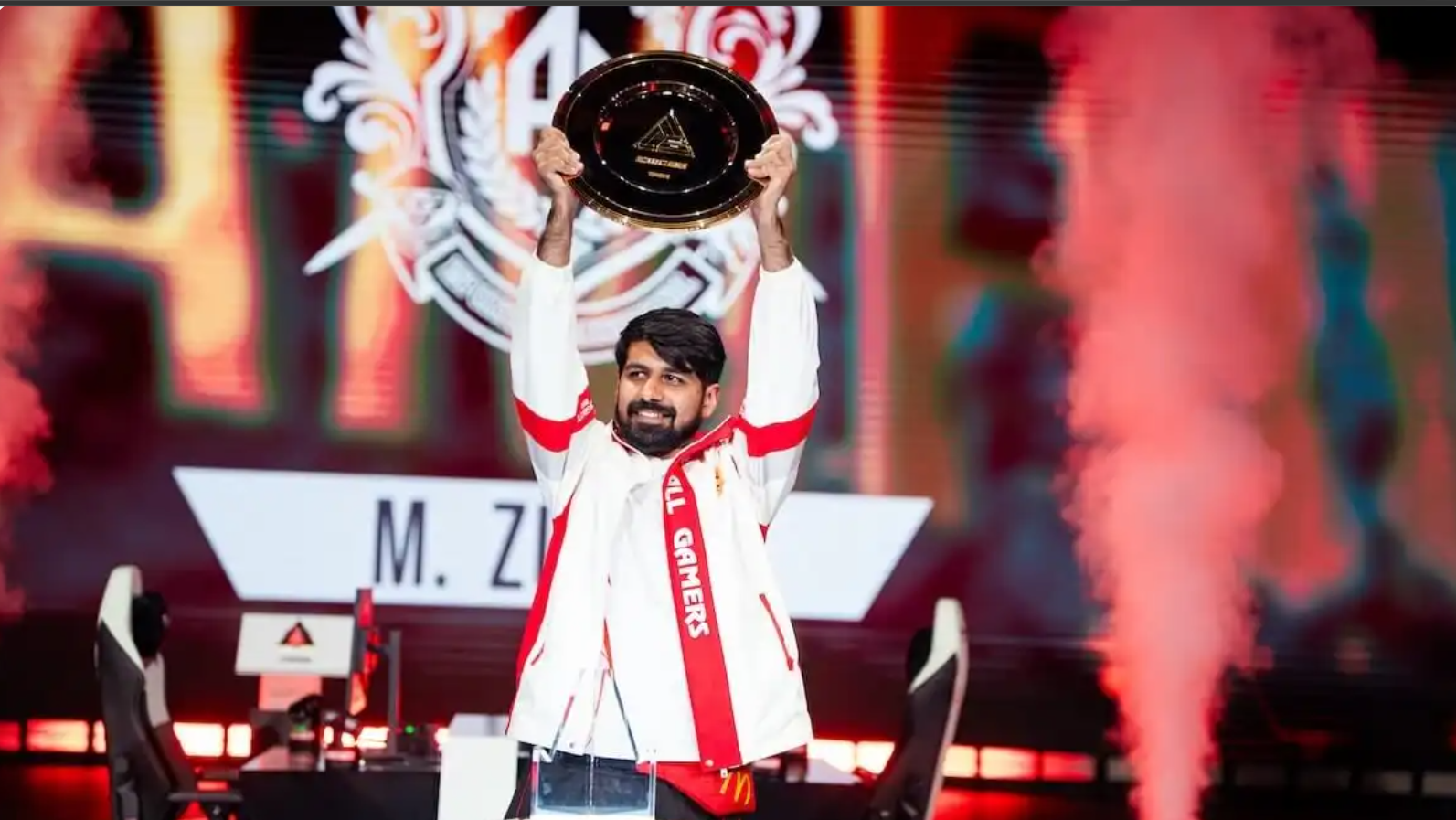
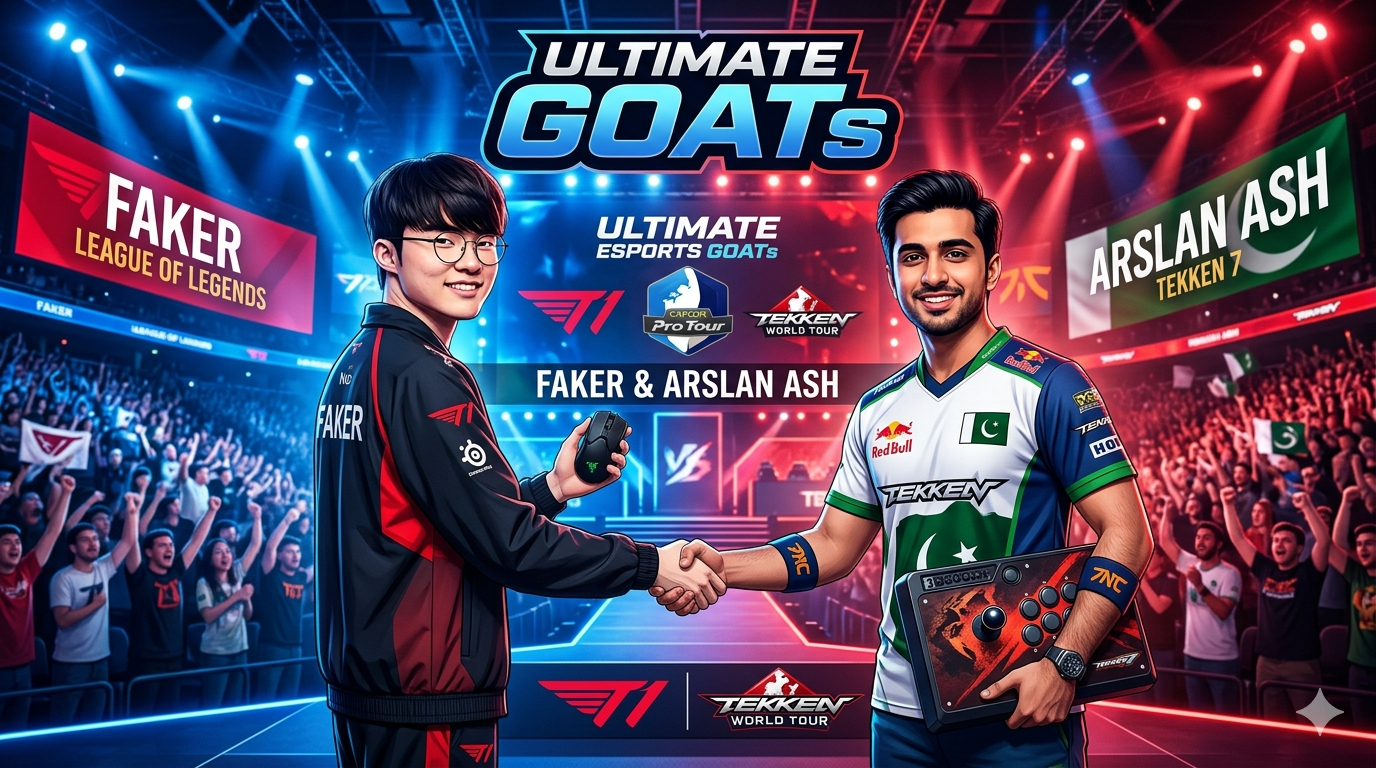
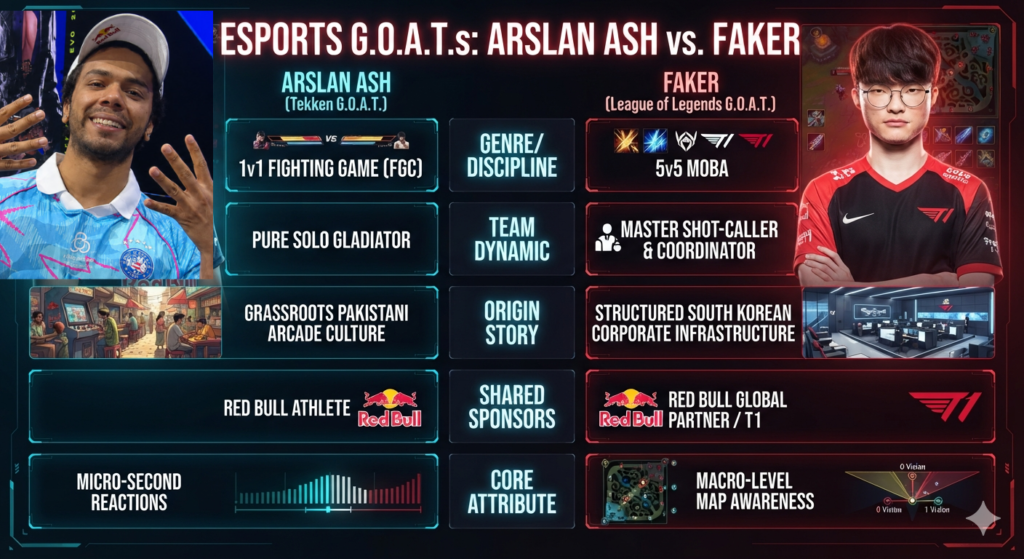
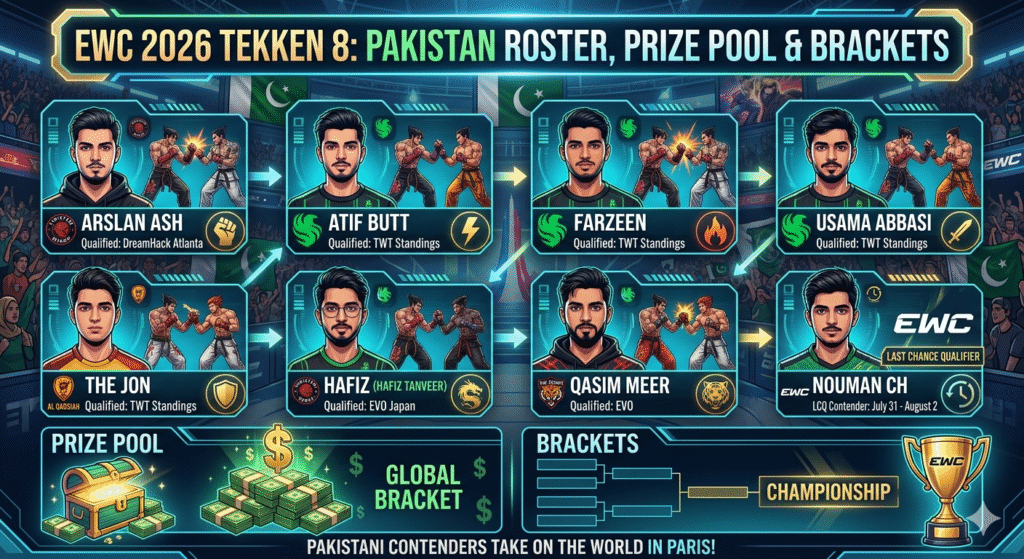
    Arslan Siddique, better known as Arslan Ash, esports professional is a 29-year-old Tekken legend and one of the greatest players in the game’s history. A six-time EVO champion, he’s proudly sponsored by Red Bull and Twisted Minds. His journey begins when he started playing arcades games in Lahore at the age of 8. who knew that today a small kid from Lahore will become tomorrow’s star with incessant victories ahead.

    Arslan wanted to become a doctor initially but turning point in his life and career came when later he realized that he is Really good at something that is not very common here. it’s true that we are known and recognized by the choices we made, in Arslan case, it’s proved. He came in limelight when he won the biggest national tournament, Pakistan Tekken 6 Grand Masters Championship.

    And just like that, he’s been on a nonstop climb to the top ever since.

    he won Tekken title in 2019, 2023, 2024, 2025 and Evo Japan champion in 2019 and 2023 as well.

    Atif Butt Tekken Strategist

    In the world of competitive Tekken, few names command respect like Atif Butt. Born and raised in Lahore, Pakistan, Atif has quietly risen to global prominence—not with flashy words, but with quiet brilliance and unbeatable determination.

    Atif’s breakout moment came in 2022 when he stunned the world by winning the Tekken World Tour Finals, defeating top-tier players from Korea, Japan, and the U.S. With his signature Akuma plays and razor-sharp reads, he proved that Pakistan isn’t just growing in Tekken—it’s now leading the way.

    Currently, Atif Butt represents Team Falcons, a premier esports organization based in Saudi Arabia. Founded by FIFA world champion Mosaad “Msdossary” Al-Dossary, Team Falcons has become a powerhouse in the MENA region, known for assembling top-tier talent across games like FIFA, PUBG, and Tekken.

    Atif joined Team Falcons in 2024 and quickly made his mark. Even before that, he stunned the global Tekken community by winning Gamers8 2023, one of the most prestigious fighting game tournaments in the world. His dominant 3–1 victory in the grand finals earned him $166,666, the largest single prize of his career.

    Under Team Falcons, Atif went on to win CEO 2025, placed second at EVO 2025, and reached the grand finals of the Esports World Cup 2024, solidifying his reputation as one of the most consistent and dangerous Tekken players on the planet.

    With Team Falcons’ backing, Atif isn’t just competing—he’s helping redefine Pakistan’s role in global esports, proving that elite talent from South Asia can thrive on the world’s biggest stages.

    Pakistan’s contribution in sponsoring esports events

    pakistan is prominent in the esports world

    For now, Pakistan is not sponsoring any major international esports events. but inter-cities and intervarsity level competitions are being held by some institutes.

    Gamer Pakistan is leading the charge in organizing and monetizing esports events nationwide. Since 2022, it has hosted over 30 competitions, including:

    • University Esports National Championship
    • National Free Fire League
    • Valorant, PUBG, FIFA, Tekken, and LAN tournaments across major cities

    Its affiliate, Elite Sports Pakistan (ESP), has signed 119 agreements with universities and sports bodies, securing exclusive rights to produce and monetize inter-collegiate esports events. Together, they’re building a strong foundation for Pakistan’s esports ecosystem.

    Pakistan’s First National Esports Policy

    In a major milestone for the gaming community, Pakistan has introduced its first-ever National Esports Policy—a strategic move to recognize esports as a formal economic sector. Despite having one of the most passionate and talented youth populations in online gaming, Pakistani players have long faced challenges such as visa barriers, lack of funding, and limited training opportunities. The new policy aims to change that by offering financial support, professional training, and international exposure.

    How many online games Pakistan has developed for esports industry?

    While Pakistan’s current esports focus lies in organizing tournaments and building competitive teams, its contribution to game development has been modest. Although official statistics are limited, two locally developed games have gained notable attention:

    Pakistan Army Retribution

    Developed by the Punjab IT Board as a tribute to the victims of the 2014 APS Peshawar attack, this game aimed to honor the military’s role in counterterrorism. However, due to public criticism and poor reception, it was eventually removed from download platforms and discontinued.

    Cricket Revolution

    Developed by Mindstorm Studios and released in 2009. It was Pakistan’s first PC-based sports game available on Steam, featuring single-player, multiplayer, LAN, and offline modes. However, its reach was restricted—primarily because it was designed for PC, a platform less accessible to the average Pakistani gamer, who often relies on mobile devices.

    By this, one gets to know that Pakistan’s esports journey is just beginning—and the world is finally watching.

  • 3 Solid ways to Earn money by playing Fortnite

    3 Solid ways to Earn money by playing Fortnite

    How can you earn Real money while you play Fortnite? Can a game become a source of income for players? What are the authentic sources? these and similar other questions come to the minds of those who think out of the box scenario, people who want to not just play game but make gaming their profession. This article will certainly help them.

    To be honest, Money is what as you know everyone craves for and what a double deal it would be if one makes money by playing his favorite game! There are several ways to look for, I hope the mentioned methods will work for you!

    1. Compete in Epic Games Tournaments

    ai image (2)

    This is a direct method and of course not easy at all but if you feel like you can become a pro in the game then why not try your luck? in 2019, kyle Giersdorf aka Bugha had earned 3 million dollars as prize money when he was just 16. Fortnite’s creator, Epic Games, hosts high-stakes tournaments where top players battle for cash prizes.

    How to Join?

    • Head to the ‘Compete’ tab in the main menu
    • Choose your tournament and register
    • Play during the scheduled time—miss it, and you’re out
    • Score high, and you might just get invited to the Fortnite World Cup, where the prize pool is jaw-dropping

    Even weekly Cash Cups offer smaller rewards and prepare you for the big leagues. So if you’ve got the skills, it’s time to show them!

    Apart from cash cup, epic games has introduced console cup, ranked cup and others to the interest of the players.

    2. Use a Support-A-Creator Code

    Many social figures who have a liking for online games, earn a bit extra by choosing this option. you must have heard about them like Ninja, the famous Fortnite star with 23+ millions fan following, his creator code is Ninja, Ali-A 19+ millions followers, I have watched many of his videos and definitely like them, using code ALIA. Tabor Hill, this name pops up every time I search about Fortnite on Google, shows its hard work and consistency. He is using code TABORTIME.

    So You Got a social media following? Apply for a Support-A-Creator code through Epic Games.

    Steps to Earn

    • Share your code with fans
    • When they buy items using your code, you earn a cut
    • Promote your code via YouTube videos, blogs, or tutorials

    The more you promote, the more you earn. It’s influencer marketing, Fortnite-style.

    3. Teach, Stream, and Build a Fanbase

    People became star by doing live streaming of their gameplay for Fortnite lovers and earned loads of fame and cash simultaneously. i’ll give you few names; Bugha, Fortnite champion, SypherPK, Ninja, Mongraal, another expert and many others. If you’re a pro at Fortnite and love teaching others, streaming is your golden ticket.

    How to Start?

    • Go live on YouTube or Twitch
    • Share tips, tricks, and gameplay
    • Build a community and monetize through ads, sponsorships, and donations

    Although it’s hard but a bubbly and social personality, with a good sense of humor and a bit of game knowledge will do work for you.

    Even a Scottish grandma is making waves—so why not you?

    4. Make videos of Fortnite

    you can create content not only by playing game but also by making videos on

    • tips and tricks
    • game discussions and tournaments reviews
    • in-game items details and any other thing you find related to the game.

    As soon as your videos gain recognition and you reach certain limit of subscribers and views, you will start getting ads and here you go! All Rich with your own real money. Congrats!

    5. Create and design Fortnite Products

    Fortnite is not JUST a game, it’s a lifestyle and yeah! if you are creative enough then you can make

    • T-shirts, Caps, hoodies
    • Posters, Mugs and Stickers
    • Wallpapers for the game fans.

    Show your unique style and display your art on social media to attract enthusiasts. Through online merchandise promoting and selling your brand will be profitable.

    Final Thoughts: Games in the New Era

    Technology is transforming every aspect of everyone’s life. Styles of playing games are also changing. Esports is becoming world’s new phenomenon and like the other outdoor games, indoor games are also coming to main streams and getting public attention.

    So, new and creative methods of earning money have emerged. whether you are playing, guiding, creating or coaching, this digital era offers you unlimited paths to success. If you find your passion with your profession then why not?

    And last advice for sure: Play hard, teach others, and don’t forget to stretch and blink! Because while gaming can bring fame and fortune, your health is the real MVP. Take Care!

    Why THIS 75-year-Old Grandma became Fortnite Star? – Esports Planet

    🎮 Fortnite Battle Royale: 10 Mind-Blowing Facts You Didn’t Know – Esports Planet

    Fortnite Battle Royale: A Beginner’s Guide & Winning Tips – Esports Planet

  • How This 75-year-Old Grandma became Fortnite Star?

    How This 75-year-Old Grandma became Fortnite Star?

    Meet a 75-year-old Scottish grandma who’s not just a gamer—she’s a Fortnite sensation.

    About seven years ago, her grandson used to play all sorts of online games on his PS4. Wanting to spend more time with her, he began teaching her how to play.

    But most games felt boring to her—until Fortnite arrived in 2017. The moment she saw it, something clicked. She jumped in, started playing, and even began live streaming to her grandson’s surprise who laughed that no one will watch such a streamer and grandma accepted the challenge and bang!

     Today, she has over 5,900 subscribers on YouTube and 21,500 followers on Twitch. So what makes Fortnite stand out from the rest?

    Free, Free, and More Free

    free online gaming

    Fortnite’s most popular mode is Battle Royale, where 100 players compete solo or in teams of two or four. When Fortnite first launched in 2017, it offered a paid mode called Save the World for $20. But soon after, the free-to-play Battle Royale mode was introduced—and that’s when Fortnite’s meteoric rise began. While players can pay for special modes and items, the core experience remains free.

    Play Anytime, Anywhere

    Fortnite revolutionized the gaming world by being accessible to everyone. You don’t need a high-end PC or a fancy PlayStation. You can play it comfortably on your mobile phone, invite friends, and enjoy the thrill of victory. That’s the secret behind its massive success—it’s gaming without barriers.

    Less Violence, More Fun

    Unlike most shooting games that feature graphic violence and bloodshed, Fortnite keeps things light. Enemies simply vanish when defeated, and the cartoonish visuals make it feel less intense. Still, it’s rated for ages 13 and up—because, after all, winning still involves eliminating opponents.

    Build Your Own Fortress

    In team play, building defensive structures is key to survival. The game world is fully destructible—you can use an axe to break anything and gather wood, metal, or bricks to build walls, floors, roofs, and stairs. Strategic building helps you gain the high ground, escape danger, and reach hidden areas.

    Constantly Evolving

    Fortnite’s developers closely monitor player trends and update the game almost weekly. New gameplay styles, customizable items, and exciting events keep the experience fresh and players engaged.

    Learn While You Play

    Fortnite’s complex systems can be tough to master—but here’s the fun part: when you’re eliminated, the game switches to the perspective of the player who defeated you. You can watch their tactics and learn from them. Observing skilled players helps you sharpen your own strategies.

    It’s All about Style

    Want to spice up your gaming experience? Use Fortnite’s in-game currency, V-Bucks, to buy unique skins and characters. You can even play as your favorite entertainment icons—adding flair and fun to every match. Fortnite creators has introduced unlimited IP crossovers in the game. From marvel to star wars skins you can choose from so many choices to so many unique experiences.

    A World That Keeps Changing

    To keep things exciting, Fortnite’s map and environment change with every new season. Limited-time modes offer fresh experiences, and players get to explore the island in brand-new ways.

    Free Game, Million-Dollar Revenue—How?

    While Battle Royale is free, the Save the World mode requires payment. In Battle Royale, players use V-Bucks to buy Battle Passes and skins. These V-Bucks are purchased with real money—€10 for 1,000 V-Bucks, and €100 for 10,000.

    Some unique features

    OG pass

    Players who enjoyed Fortnite in its early days can relive those golden memories with the OG Pass. It allows access to classic seasons—revamped with modern gameplay—so fans can revisit the past in a fresh, exciting way. Although OG pass is not fortnite’s entire creation but it has special meaning in the game and you can definitely enjoy it at fullest.

    Blitz Royale

    This mode is actually made for mobile, iPhone and iPad. Fortnite Battle royale is quite big and heavy so epic games has introduced blitz royale version for mobiles. 32 total players, easy loot to gather by and winner can be decided just in five minutes. Epic games are the makers who think for everyone and everything, there constant updates show that money is not being wasted on this game by people, it’s worth the investment.

    LEGO pass

    It is another classic item in the game, with LEGO pass you can get free skins, free music, and premium rewards and décor items for a whole season. And you know fortnite each season lasts at least 2 to 3 months. People never get tired of this game because makers are NEVER tired of introducing new things. Game is all- seasoned fresh and captivating.

    Final Thoughts

    Play the game—it’s a wonderful experience. Playing with friends creates sturdy bonds, and mastering combat techniques can even make you smarter. Just remember one golden rule: Play Responsibly. Protect your mental and physical health while enjoying the fun. Everything else is all good!

    Fortnite Battle Royale: 10 Mind-Blowing Facts You Didn’t Know

    Fortnite Battle Royale: A Beginner’s Guide & Winning Tips

  • 10 Mind-blowing facts about Fortnite you didn’t know

    10 Mind-blowing facts about Fortnite you didn’t know

    You know? When Fortnite Battle Royale entered the online gaming world, it created a massive buzz immediately. Public went crazy after it, they admired the game tremendously.

    Just after 4 months of game release, amass of 30 million players were registered and within a year, this number reached to 200 million players. Can you imagine such a hug success But one wonders that why it is so? there are plenty of similar games already, then why JUST Fortnite? I will enlighten you. Today, you can discover exactly what makes this game stands out.

    Let’s dive into the mind-blowing facts that make Fortnite unique:

    1️ Why is it called Fortnite?

    fortnite online game

    Did you ever wonder why makers name the game Fortnite? The word “Fortnite” actual meaning is “fourteen nights” — two weeks. In the gaming language, it symbolizes surviving intense challenges over fourteen days. Only the toughest make it through, proving their expertise.

    Another theory? It’s obvious that building forts is a main part of the game. so, ‘Fortnite’ represent this factor perfectly.

    2️ what’s the Story behind?

    As you know, every game is based on a unique story. And definitely Fortnite has an amazing tale behind game scenario either.

    Fortnite’s “Battle Royale” mode draws inspiration from a Japanese film and novel of the same name, where high school students are stranded on an island and forced to battle each other for survival — until only One remains. Just like this in the game, the stakes are high, and survival depends on wit and skill.

    3️ Can you get rich by playing Fortnite?

    Yes, and I am not kidding! If your parents scold you for playing too long, tell them this: Pro gamers earn jaw-dropping amounts. In the 2019 Fortnite World Cup held in New York, the prize pool was a staggering 30 million dollars — that’s billions in Pakistani rupees. The winner, 16-year-old Kyle “Bugha” Giersdorf, took home 3 million dollars. So yes, you can become a millionaire too— just make sure you prioritize your mental and physical well-being as well.

    4️⃣ Cheating will NEVER be tolerated

    Fortnite’s moderators take cheating very seriously — even a 14-year-old was permanently banned and faced legal trouble. So steer clear of unfair tricks if you want to stay in the game!

    5️ How long did it take to build the game?

    It took more than six years to bring Fortnite to life. Game Development has been started in 2011 and finally launched in 2017. Originally, the visuals were quite realistic, but later evolved into a more cartoonish style — which added to its charm and accessibility.

    6️ Who plays Fortnite the most?

    Of course youngers are more interested in online games. No surprises here! 63% of players are between 18 and 25 years old. Out of all players, 72% are male and 28% are female — a growing community of gamers from all walks of life.

    7️ Big Celebrities Play It Too

    Fortnite’s popularity soared even higher when major celebrities joined in. Canadian rapper Drake once teamed up with pro gamer Tyler “Ninja” Blevins on Twitch. Their live stream attracted over 600,000 viewers, breaking world records.

    8️ How Much Money Makers earned from Fortnite?

    It is jaw dropping fact. Even though Fortnite is free to download and play, the company behind it — Epic Games — earns over 3 billion dollars a year thanks to in-game purchases and events.

    Funnily in year 2018 game made 2.4 billion dollars exceeding the numbers 1.2 times more earned by super famous box office hit film Avenger Infinity. Try converting that to Pakistani rupees…Oh! Be careful! Your calculator might just break!

    9️   Which Country Has the Most Players?

    People are playing and enjoying the game worldwide but some countries have more high numbers than others. Not surprisingly, the United States leads with 28% of Fortnite’s players. Brazil follows with 9%, and Russia trails close behind at 5%. And the percentage continues to rise.

    🔟 what’s New in the Latest Version?

    In 2023, Fortnite got a major upgrade. Graphics are sharper, the game island is smaller, and battles are even more intense — keeping players on their toes. The game has become faster, harder, and definitely more thrilling! New season has arrived with upgraded maps, weapons and skins.

    Conclusion

    you can call it general information or factual knowledge of your favorite game. Fortnite is not like smoke in the air type game, today popular, tomorrow gone. It not only has deep roots in this new online gaming culture but actually shaped and build This new era with its contribution. This is year 2025 and game is still thriving in global esports arena. So, its better to know the game well.

    🌐 Keep following this channel for more insights into the world of online games and Esports.

    Fortnite Battle Royale: A Beginner’s Guide & Winning Tips – Esports Planet

    Why THIS 75-year-Old Grandma became Fortnite Star? – Esports Planet

    How can YOU Earn money by playing Fortnite? – Esports Planet